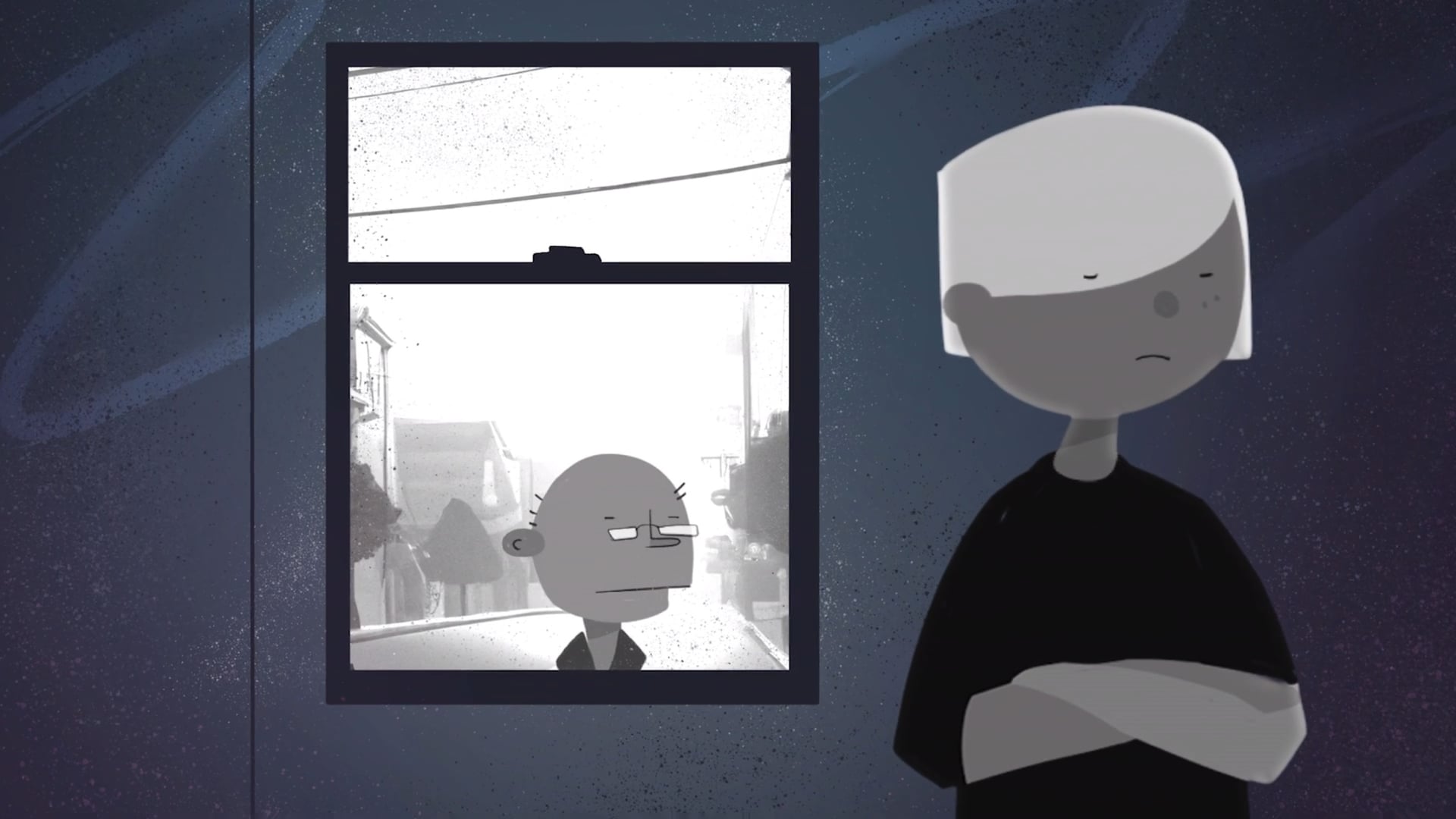

Working with patients is always a collaborative effort. Working with patients who've been traumatized requires some special sensitivities. We'll always need to balance being sensitive that any questions we ask and questions we ask about the traumatic event may be triggering for the patient versus not wanting to go there and not pulling them into treatment and basically allowing them to suffer longer than they need to be. Some therapists as soon as they identify somebody as a trauma survivor they want to jump in right away. That may work for some patients. For some patients that may be too much too soon and they're going to get scared and run away and then we've lost them.
It's always our goal in any session to have the patient come back to the next session. And, we want this collaborative relationship to feel safe for the patient. But, also to feel like it's moving forward and like we understand what's going on or we're trying to understand what's going on and that we're gonna be able to help them. When I'm first assessing the traumatic event, I will often tell people you don't have to go into detail.
Just tell me what you feel comfortable with at this point. And, it can be as brief as I was raped in college. I was driving back to base and we had an IED and my friend died. I was in an earthquake in Turkey. It can be that brief. It doesn't have to be more than that. And, I am gonna praise the heck out of them and thank them for telling me and tell them there's plenty of time for me to find out more information. I'm also gonna wanna find out when the trauma happened, how they were coping before it, and how they've been coping since.
I wanna find out other people's reaction to the trauma. Does anyone even know about it? Have they told anyone about it? Have they been using substances more since the trauma? But, everything you ask, you wanna ask in a very non-judgmental way. So, for example, I don't ask, do you drink? I ask, how many drinks a day do you have?
So, you always wanna ask in a way that allows the patient to tell you the truth.