 Applied DBT Skills for Anxiety and Mood Disorders
Introduction to Behavioral Activation
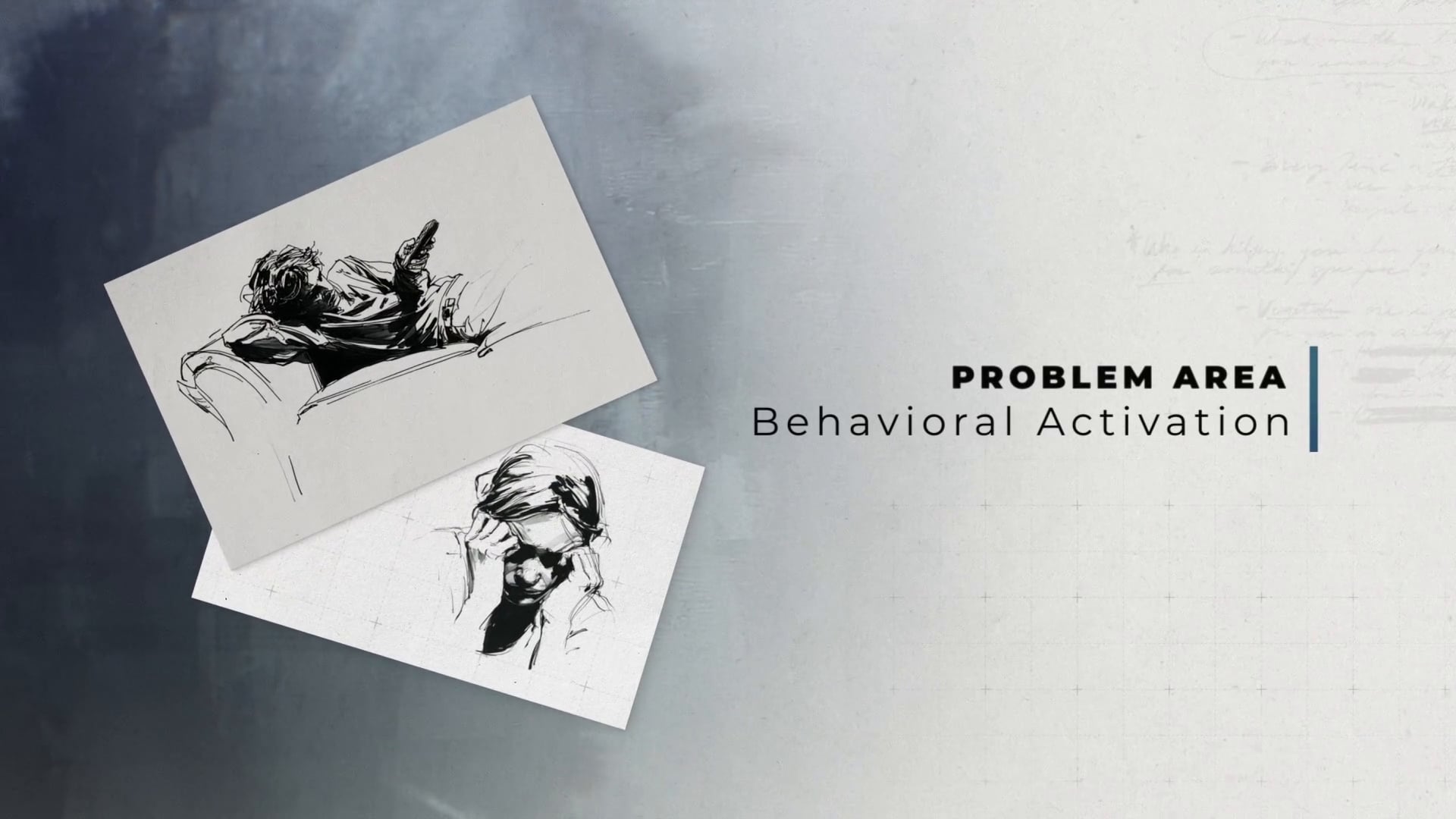
This next problem area we're going to address is the area of behavioral activation and addressing low energy and low motivation that we so often see with our depressed clients. When people are not active and engaged with life and getting things done, it really has a pervasive impact on their life. Depressed patients tend to isolate, want to stay in, often stay in bed or stay on the couch, or just scroll on social media all day or watch TV or do things that don't actually give them much pleasure or rewards. It's easier for them to do it because of their depressed mood, but it doesn't actually make them feel better.
And, in fact, it makes them feel worse because they feel more overwhelmed and less connected to important people and activities. Increasing behavioral activation is a centrally important treatment for depressed clients because so often they've done the opposite of behavioral activation. They've gotten very inactive. They're no longer seeking out their usual pleasurable activities or finding pleasure in it when they do, and they're not doing things that give them a sense of accomplishment or building mastery. We need to get clients starting to activate their behaviors, get active again, check their predictions that these behaviors won't work or they won't feel good or they won't get anything done anyway.
Use those predictions as behavioral experiments, encourage them to start the behaviors and start engaging with life again and getting really active rather than being passive and isolating. And, then, they see for themselves that their energy increases, their motivation increases, and that they usually enjoy things and get more accomplished than what they originally predicted. Behavioral activation is an evidence-based strategy in treating depression. And, so, it's critically important and yet it's really hard to do. It's hard to get patients with low energy, low motivation, and who've been not in motion at all and being very passive and isolating to get going, to get moving.
So, some ways to assist with getting the client started is to first of all provide some psychoeducation that they don't want to wait around for motivation to show up and knock at their door because they'll be waiting a really long time for that. It just doesn't happen. They've got to put one foot in front of the other as hard as it is and it's the behaviors themselves that will lead to more motivation and energy. Another really important thing is for the clinician to be a cheerleader and a reinforcer and reinforce even baby steps. So, for example, if the client says, Well, I guess I'm willing to give it a try.
The clinician can say, well, I love your willingness. That attitude is going to really get you places. So, when the clinician themselves are reinforcing even before the activities and other people become reinforcing, it starts motivating and providing reinforcers for those building blocks for the client to get started on their path to more activated behavior. So, you will see how useful the skills are throughout this section. There are specific skills to activate behavior in clients, several different skills actually and not only to activate the behavior, but also to address those negative thinking patterns that show up while we're trying to activate the client's behavior because the negative thinking patterns can interfere both with starting with the behavioral activation and also with their perception of, what's happening while they're doing it?