


CBT - Cognitive Behavior Therapy Online CoursesWith a World-Renowned CBT Faculty

Our courses are designed to help you easily learn how to apply CBT using a practical framework, strategies and skills, building competence that improves client outcomes.

Build Confidence and Skills Applying CBT in Practice

People icon

Learn from the Best in CBT

Learn with a diverse faculty of pioneering CBT developers, expert trainers and clinicians, combining the best of traditional and modern CBT.

Profile of a person with a cog beside their head.

Exceptional Learning Experiences in CBT

Learn modern CBT which combines cognitive, behavioral, and emotion regulation approaches, through case-based examples and therapy demonstrations.

Graduation cap icon.

Earn Continuing Education Credits

Meet your professional development requirements while advancing your clinical skills.

Specialized CBT Courses

Apply CBT with greater expertise and confidence with courses tailored to specific presentations and client needs.
CBT for Trauma

CBT for Trauma

Learn evidence-based CBT for trauma and PTSD from leading trauma experts. This course helps you integrate cognitive and exposure-based strategies into a flexible, compassionate approach - so you can meet clients where they are and support meaningful recovery, even in the face of dissociation, flashbacks, or overwhelming distress.

View Course
CBT for Anxiety Disorders

CBT for Anxiety Disorders

Guided by world-leading experts in anxiety treatment, learn how to treat anxiety disorders with evidence-based CBT. Go beyond general skills and target the specific patterns that maintain anxiety- like avoidance, worry, and safety behaviours - so you can help clients build confidence and move forward with real progress.

View Course
CBT for Depression

CBT for Depression

Build practical skills and clinical confidence in evidence-based CBT for depression. This course goes beyond general training to give you specialized tools to break through hopelessness, low motivation, and stuck patterns - helping clients re-engage with life and move toward lasting, meaningful change.

View Course

Learn from a Faculty Shaping Evidence-Based CBT

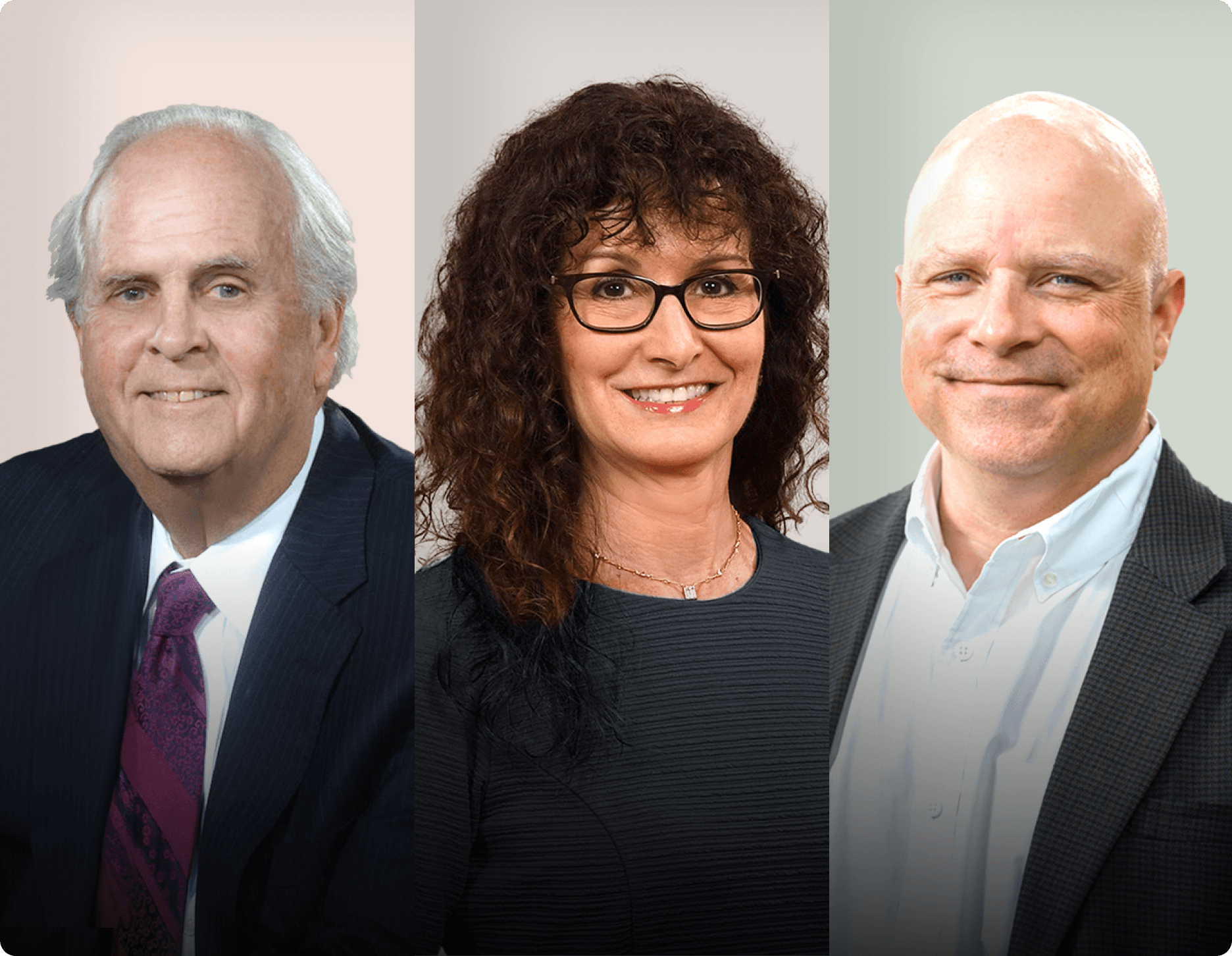
Our global faculty brings together more than 30 researchers, treatment developers, and clinicians whose work has helped shape contemporary CBT practice, including:

Bringing these perspectives together reflects how CBT is used in practice across different presentations and contexts, rather than a single approach or model. Learn from the people who developed and tested these approaches, gaining a deeper understanding of what to target in therapy, why particular interventions are used, and how to adapt them in clinical practice.

Beyond learning which interventions to use, you'll develop formulation-first thinking, adapt evidence-based approaches to individual clients, and make effective clinical decisions across a range of presentations.

David barlow, Barbara Rothbaum, David Tolin

CBT Expert Faculty

Unrivaled CBT Expertise From the Leaders of CBT


Working with Thoughts, Emotions, and Behavior in CBT

Cognitive behavioral therapy (CBT) is an evidence-based framework that helps clinicians understand how thoughts, behaviors, and emotions contribute to psychological difficulties and how targeted intervention can support meaningful change.

Contemporary CBT recognizes that cognition, emotion, and behavior continuously influence one another. Understanding the links between these processes helps clinicians develop clearer case conceptualizations, work more effectively with emotional experience, and make more effective intervention decisions.

Across our courses, you'll see these principles applied through clinical cases and therapy demonstrations spanning a range of presentations.

Why This Matters

When clinicians can identify what is driving a client’s difficulties and intervene effectively, CBT becomes more targeted, responsive, and effective in practice.

This supports more consistent, high-quality care and better outcomes across a range of presentations and settings.

David Tolin explains more in What Is CBT? A Practical Overview for Clinicians and How Modern CBT Can Help with Emotion Regulation.

illustration - hand on heart

What People Say About Our Courses

Two outlined human figures with an arrow pointing from the purple figure in the foreground to the blue figure in the background, symbolizing user transfer, delegation, or interaction.
96.4%
Would recommend CBT courses to a colleague.
4.5(1943)
Participants gave CBT courses an overall rating of 4.5 out of 5
Elena BildPsychologist - Brisbane QLD, Australia

I learned a lot, I really like the content, and I like that we've followed specific patients through their therapy journey. I enjoyed most the therapy, the patient examples, the good explanation, and the resources.

Arthur Gardner BissetPsychologist - Auckland, New Zealand

Incredible quality of materials and the fact that so many well known and super experienced professional contributed - amazing stuff. Also, I enjoyed listening to the experts....doing theory, getting the pdf copy of the course book that aligns 100% with the course timeline.

Diana FreitasSocial Worker - Toronto, Ontario, Canada

It does CBT justice. It shows a warm, curious way to do CBT vs cold and calculated and manualized. The pacing was great. The therapy demonstrations were wonderful. It was well done.

Anissa LoadesPsychologist - Gold Coast Queensland, Australia

I have peers who have done CBT courses and have not covered the Exposure section at all. I gained a lot about the importance of Exposure and not avoiding it as a new therapist.

Join our mailing list

To receive the latest news, free resources and offers on online courses.