Q&A
ADHD and Relationships: How Couples Can Get Stuck in the Parent–Child Dynamic
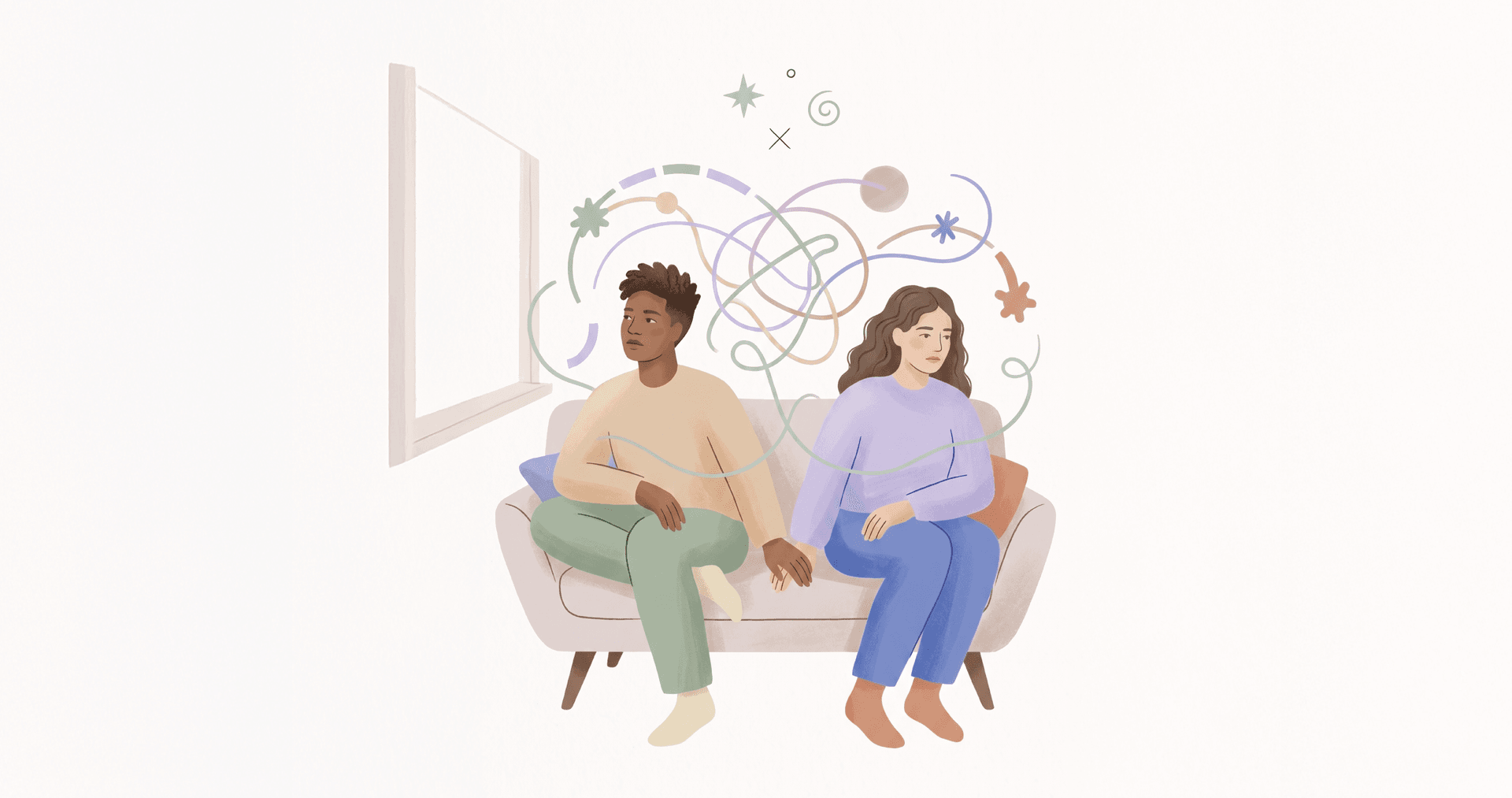
How ADHD-related difficulties with follow-through, organisation, and reliability can create imbalance and resentment between partners.
Q
You’ve written about how ADHD can create a “parent–child” dynamic in relationships. How do you explain this pattern to clients in a way that helps them recognize it without increasing blame or shame?
A
Q
From your perspective, how do executive functioning difficulties show up in everyday relationship moments, particularly in ways that partners often misinterpret?
A
Q
Partners of people with ADHD may describe feeling neglected or unimportant. What is actually happening from the ADHD partner’s side in those moments, and how do you help couples understand each other more accurately?
A
Q
When there has been a buildup of frustration or resentment in the relationship, how does that begin to shape sexual intimacy, and what helps couples shift that pattern and reconnect?
A
Q
For therapists who feel stuck working with ADHD couples, especially where the same relational and intimacy issues keep repeating, what is one shift in perspective or intervention that tends to make the biggest difference?
A
You may also like


Understanding Childhood Language Disorders
What are the signs a child might have a speech or communication problem? World-leading authority on language disorders in children, Rhea Paul, explains why the sooner they get treatment, the better.
How to Recognize Factitious Disorder
What are the signs someone might be feigning an illness, either in themselves or their child? Expert in factitious disorder, Brenda Bursch, describes this serious mental illness and its dangers.
Selective Mutism in Children
Hear from psychologist Aimee Kotrba about the role anxiety plays in Selective Mutism and the best evidence-based interventions for children.