Unified Protocol: A Transdiagnostic Treatment
Target the emotional processes that underlie anxiety, depression, and a wide range of clinical presentations.

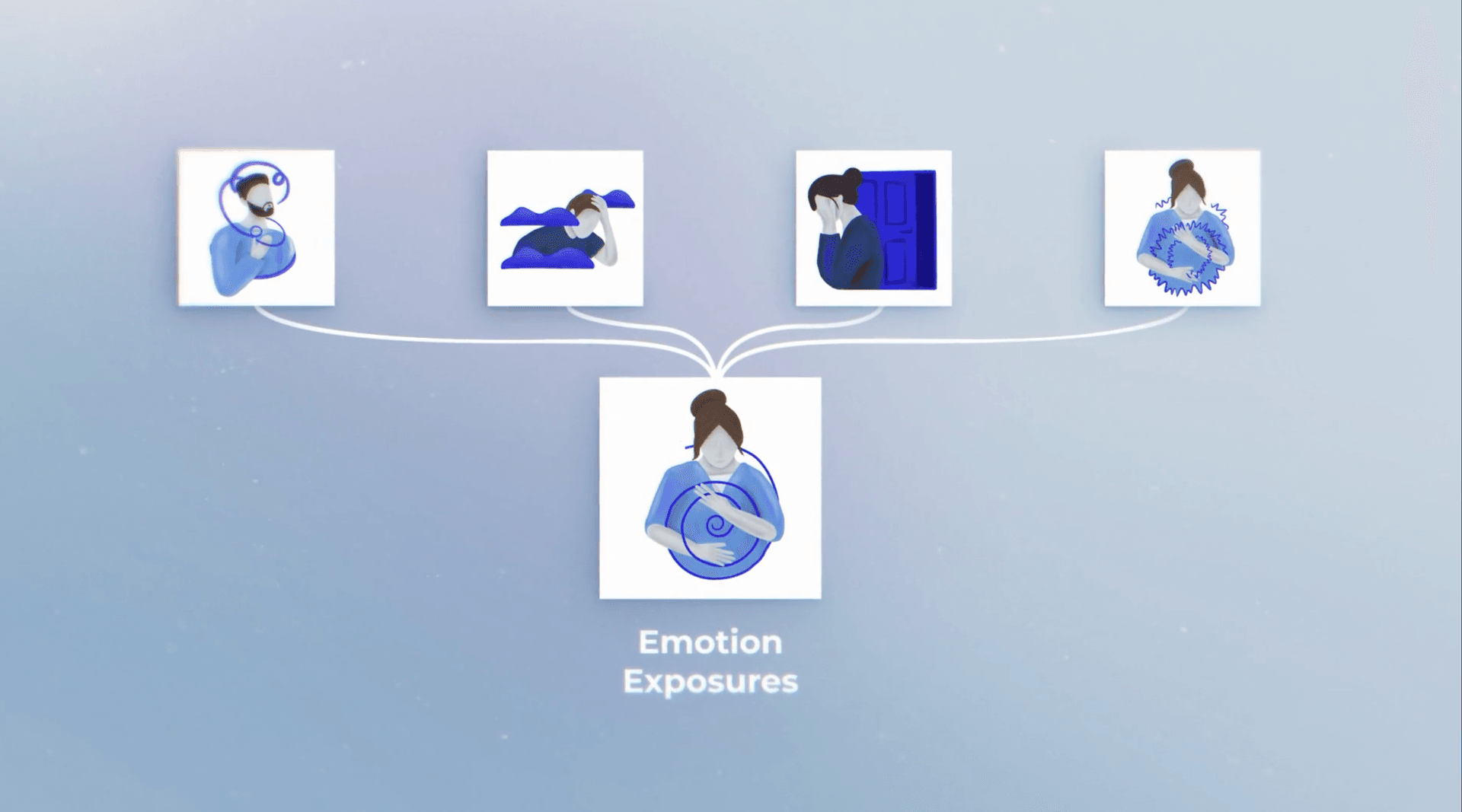
What if anxiety, depression, panic, obsessive thinking, and many other conditions have more in common than they first appear?
Many clients present with overlapping difficulties that do not fit neatly within a single diagnosis. Anxiety and depression frequently occur together, alongside panic, obsessive thinking, insomnia, chronic pain, and substance use, making it difficult to know where to begin and what to prioritise in treatment.
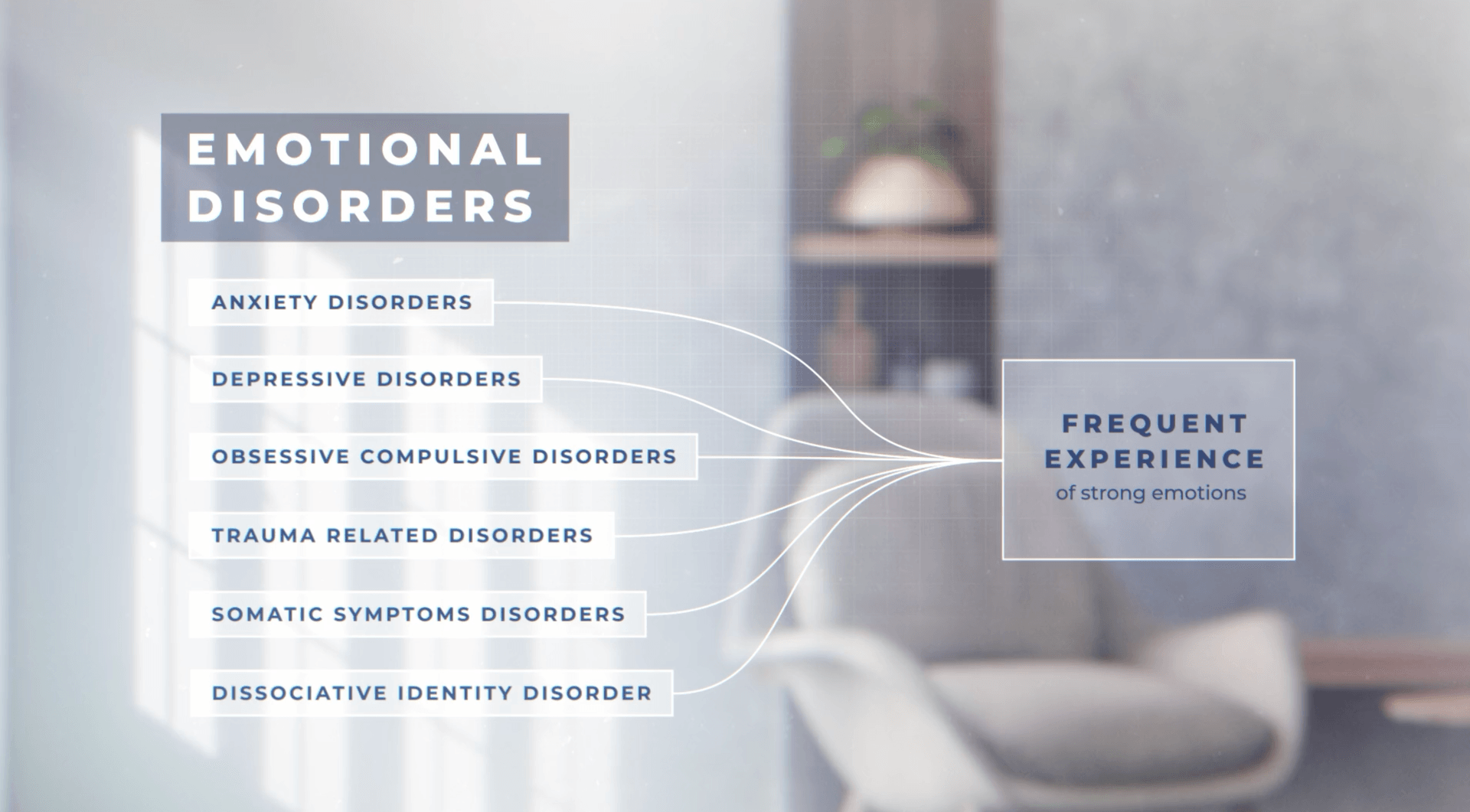
The Unified Protocol helps therapists make sense of this complexity by focusing on the emotional processes that underlie these presentations. For many clients, these processes centre on their relationship with emotion. They may experience emotions intensely, struggle with how they relate to those emotions, and become caught in patterns of avoidance that keep distress going.
Rather than requiring therapists to learn a different treatment protocol for every diagnosis, the Unified Protocol provides a single evidence-based framework for helping clients develop a more flexible relationship with their emotions.
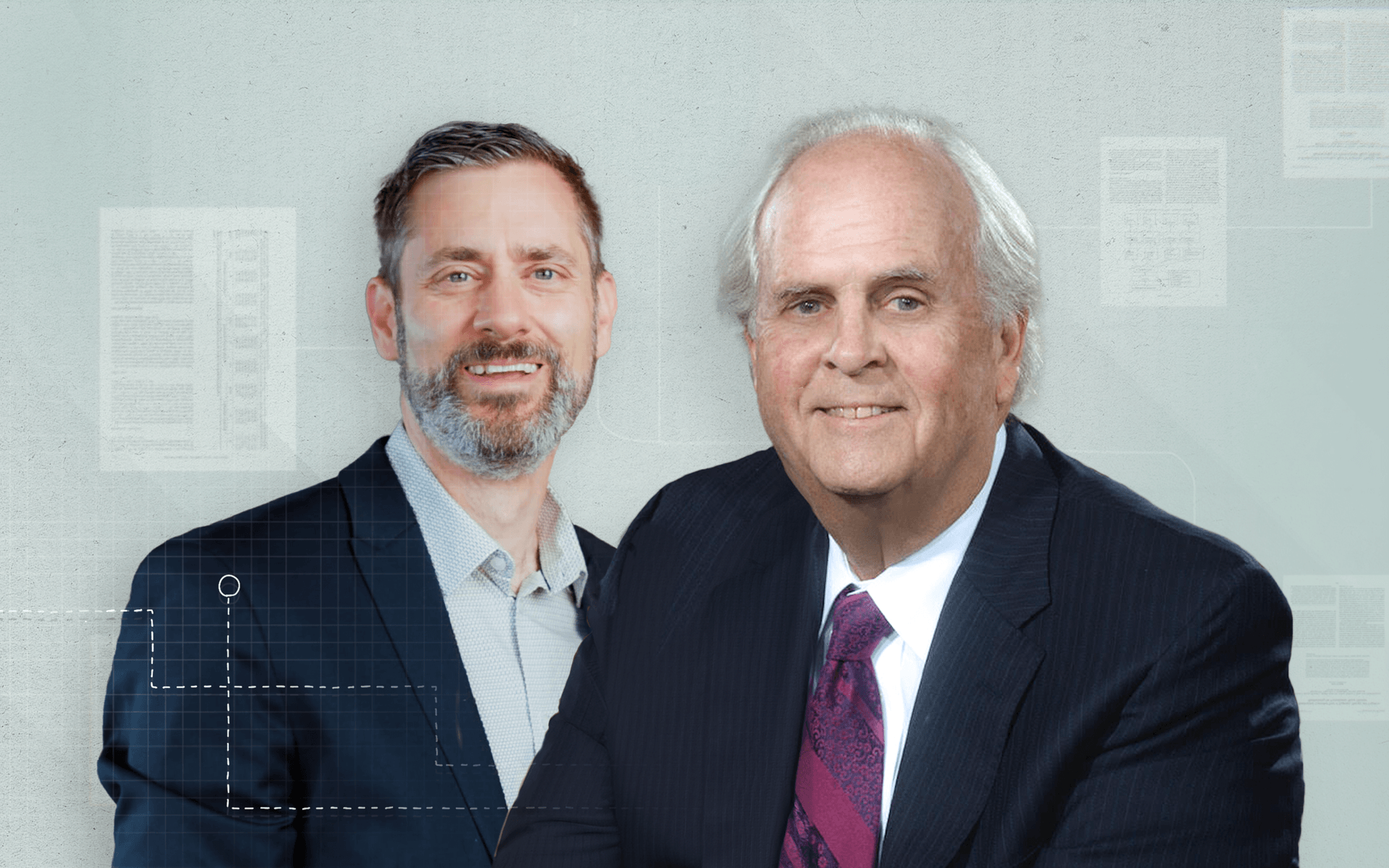
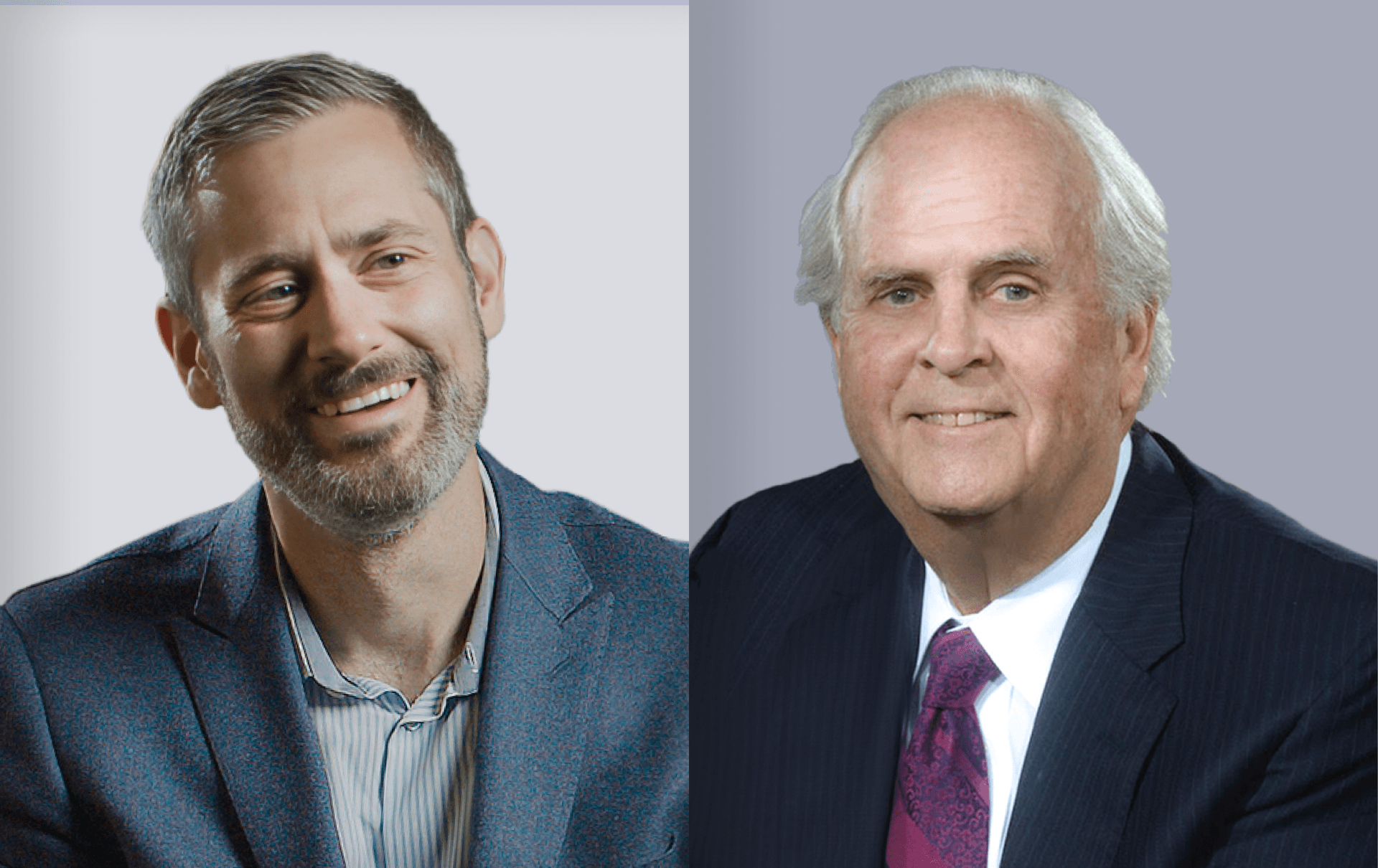
David Barlow is the developer of the Unified Protocol and one of the most influential figures in the development of modern Cognitive Behavioral Therapy. As founder of the Center for Anxiety and Related Disorders at Boston University, his research has shaped the understanding and treatment of anxiety, mood, and related emotional disorders for more than four decades.
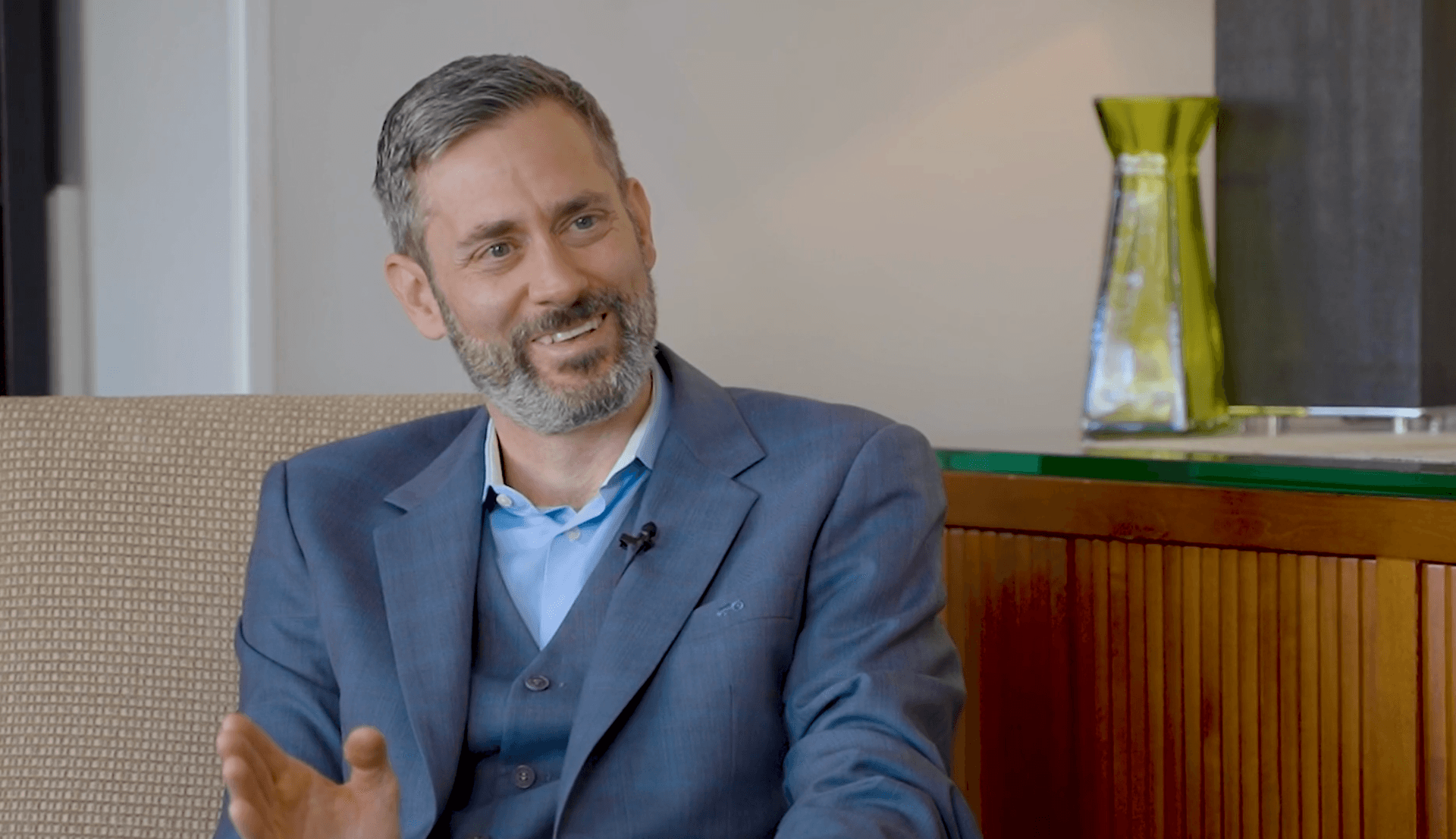
Todd Farchione is co-author of the Unified Protocol treatment manuals, Research Professor in the Department of Psychological and Brain Sciences at Boston University, and Director of the Intensive Treatment Program at the Center for Anxiety and Related Disorders. He has spent many years researching, teaching, and applying the Unified Protocol and brings deep expertise in its clinical application.
Together, they bring decades of experience developing, researching, and teaching the Unified Protocol.
Dr Farchione is also available throughout the course forum to answer questions and provide guidance as you work through the material.

The Unified Protocol is best understood through application. Rather than learning concepts in isolation, you'll see how experienced clinicians apply the model across a range of client presentations through therapy demonstrations, clinical examples, practical exercises, and guidance from David Barlow and Todd Farchione.
You'll see how the Unified Protocol is used to assess clients, develop case formulations, teach skills, and guide emotional exposure throughout treatment.
Understand the emotional processes that contribute to anxiety, depression, and related emotional disorders
Develop transdiagnostic case formulations that focus on emotional functioning rather than diagnostic categories alone
Identify patterns of emotional avoidance and emotion-driven behaviours that maintain distress
Help clients build emotional awareness and respond more flexibly to difficult emotions
Apply the core treatment modules of the Unified Protocol, including mindful emotional awareness, cognitive flexibility, behavioural change, interoceptive exposure, and emotion exposure
Use a single evidence-based framework to treat co-occurring emotional disorders
Apply the Unified Protocol across a range of emotional disorders and clinical presentations
Confidently implement the Unified Protocol using practical strategies, worksheets, and therapy demonstrations drawn from real clinical practice
Whether you are new to CBT or looking to expand your existing CBT skills, this course will help you develop confidence applying the Unified Protocol across a range of emotional disorders and co-occurring presentations.

You'll learn through:
A structured six-week learning journey that builds understanding and skills step-by-step
Therapy demonstrations that follow clients through assessment, case conceptualisation, and treatment
Downloadable worksheets and resources designed to support clinical implementation
Direct access to Todd Farchione through the course forum, where you can ask questions and discuss challenges that arise in practice
Flexible online learning that allows you to study at your own pace
This course is suitable for psychologists, therapists, counsellors, social workers, mental health professionals, health professionals, and coaches who want a practical framework for working across anxiety, depression, and related emotional disorders.
It is also valuable for health services, clinics, and training programs seeking a shared treatment framework that can be applied across a wide range of emotional disorders and co-occurring presentations.
Enrollments
We're happy to help if you can't attend the current intake. Once your purchase is complete, contact our customer service team and we can enrol you in a future intake.
Upcoming intake dates:
September 1
October 27
December 22
If you need an invoice, please fill out the form here.

Introduction to the course
The development of the Unified Protocol
Transdiagnostic approaches and targets
Nature of emotional disorders
Basic principles underlying treatment
Assessment and case conceptualization
Summary and quiz
Introduction to the week
Motivational enhancement
Understanding emotion and building emotional awareness
The three component model of emotion
ARC and tracking emotions
Quiz questions
Introduction to the week
Mindful emotion awareness
Cognitive flexibility
Quiz questions
Introduction to the week
Emotion avoidance
Emotion-driven behaviors
Interoceptive exposure
Symptom induction exercise
Summary and quiz questions
What is exposure?
Emotion exposure
Blocks and barriers
Quiz questions
Relapse prevention
Evaluation and lack of progress
Review of key concepts
Ending treatment
Summary and quiz questions
This Unified Protocol training is designed for mental health professionals, health professionals and coaches worldwide. Upon completion, you'll receive an official certificate that may be submitted to relevant registration or licensing bodies for continuing professional development, where applicable.
12 CE/CME credits are designated for a range of licensed mental health professions, including:
psychologists, social workers, counsellors,
physicians, nurses,
marriage and family therapists,
addiction professionals.
Acceptance for other professions may vary by board and jurisdiction. View the complete CE/CME accreditation details and board approvals here.