Q&A
What Everyone Needs to Know About PTSD
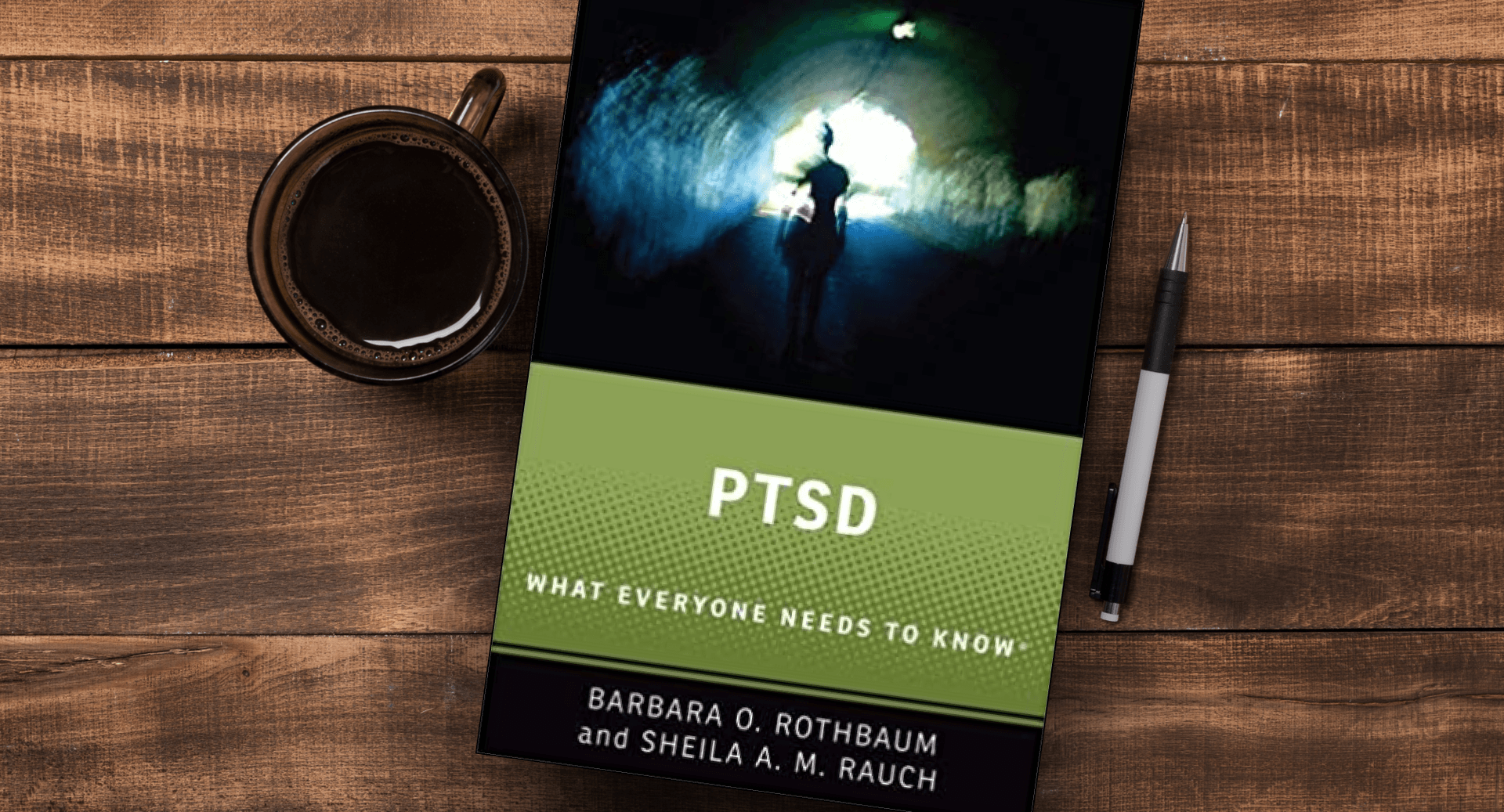
An intense or life-threatening event can cause anyone to experience Post-Traumatic Stress Disorder (PTSD). Clinical psychologist and PTSD expert Sheila Rauch explains how to move forward.
Q
How do you know someone is ready for the trauma work?
A
Q
How do you keep track when other life stressors start getting in the way of trauma work?
A
Q
How do you engage clients who are very dissociated from their trauma?
A
Q
Who do you feel is an ideal candidate for PE vs CPT?
A pdf
schnurr_2022
Q
Can children (or adults later in life) have PTSD after school bullying?
A
Q
What are the best tips for making PE effective?
A
Q
Can PE be done with video-recording?
A
Q
What is the rationale behind the PE treatment? And how is PTSD conceptualised in the PE framework?
A
Q
Does prolonged exposure slow down the cognitive process? If cognition is slower are symptoms such as flashbacks less likely to occur?
A
Q
I'm working with a combat veteran who is significantly impacted by guilt. Any suggestions of how to provide the best therapy?
A
You may also like

Working with Trauma and Attachment Injuries Using EFIT
How Emotionally Focused Individual Therapy (EFIT) helps therapists work with trauma, attachment injuries, and emotional experience through an attachment lens.
Trauma and Shattered Assumptions
Dr Ronnie Janoff-Bulman’s groundbreaking theory of Shattered Assumptions highlights the profound impact of trauma on our core beliefs. In this Q&A, she offers insights and tools for recovery.
Transgenerational Transmission of Trauma
Research reveals that the biopsychosocial effects of trauma can be passed down across generations. Leading expert, André Maurício Monteiro, talks about mechanisms, markers, therapy, and more.
Courses that may interest you

