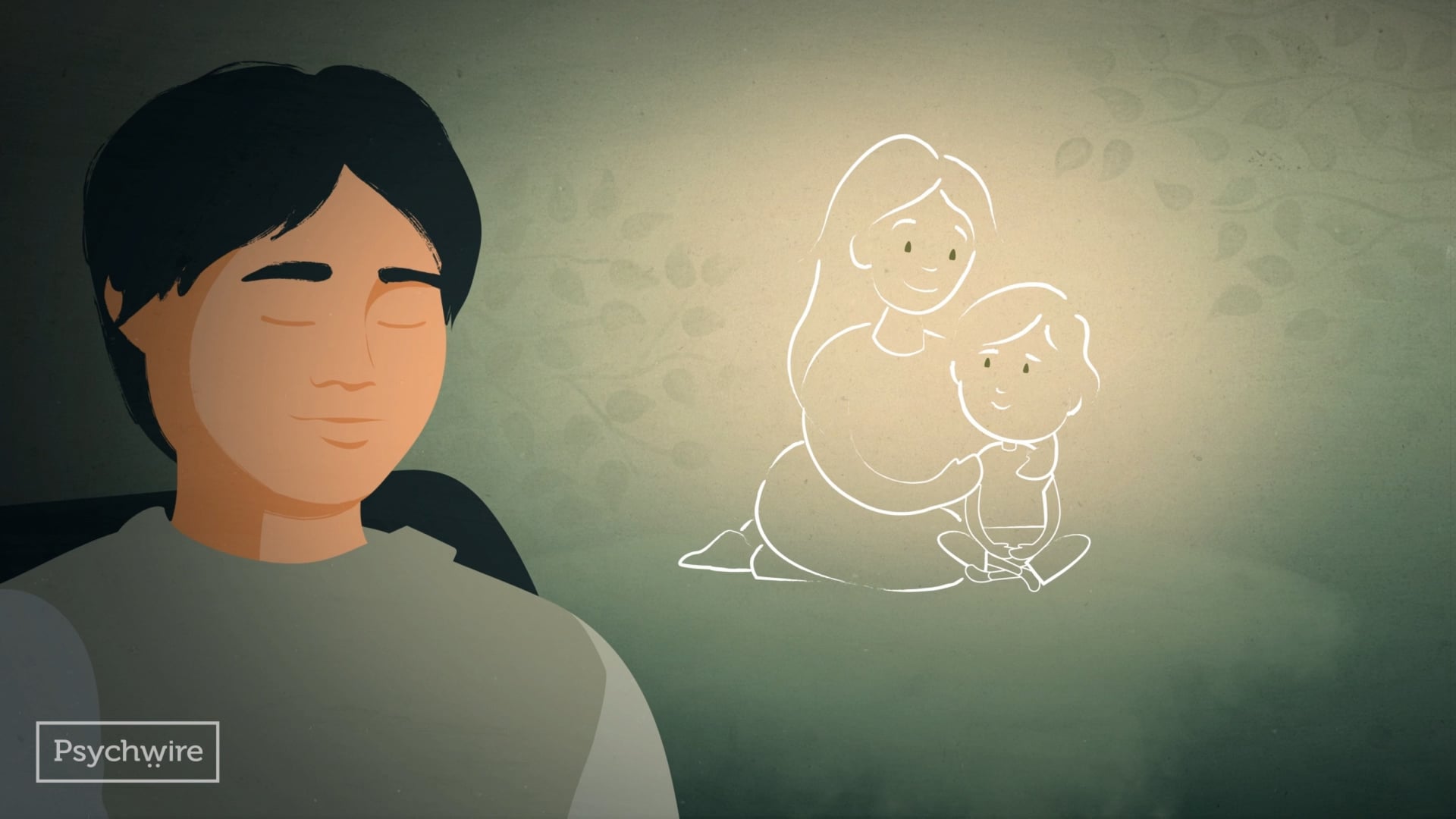

This next strategy, development of a safe place for the child part of self, has been developed by my colleague Ann Potter and I as a tool to help clients who have attachment disturbances to create new experiences of safety and attachment for that child part of self on the inside. This is a very powerful tool. It strengthens the adult part of self as it empowers that adult to care for that younger part on the inside, and it separates out that child state from the adult state so that the adult is able to discern when the child state is getting activated and has a tool to calm that child state and step back into the adult part of self. This is so important because one of the biggest issues for people who come from a place of attachment disturbances is a vacillation between adult brain and kid brain. The child feelings and thoughts from the past being brought into the present day life.
Another really important piece is that in adult life, the child part of self is often trying to get unmet childhood needs met. And we are actually giving the client the opportunity for the adult self to meet the needs of the child part of self on the inside. This is healing and allows the the client freedom to live the adult life without some of those maladaptive behaviors. So in setting up the safe place for the child part of self, there are some similarities to setting up the adult safe place but some important differences as well.
You want to use a collaborative approach and brainstorm with the client. You want to encourage a place that's outside of space, outside of time, a place that is more of a fantasy place or some place that is taken out of reality and put into a fantasy space. But then you also wanna make sure, because it's for a child, that it's a place that's playful or fun. You want it to be warm, safe, nurturing, all of those aspects.
Children cannot be on their own. They need protection. They need nurturing. So you want to encourage your client to bring in some sort of a caregiver figure, a spiritual figure. So you can use whatever term works for your client, but some figure that's both protective and nurturing who can watch over that child so that they feel when they leave the child in that space that the child is in good hands. At this point then you can ask the client to see the caregiver figure caring for the child, protecting the child in some way, and then ask the adult to notice how that feels to see the child cared for in this loving, protective way, and then deepen that positive feeling with some slow tactile BLS, just calling their attention to the good feeling in their bodies as they visualize this in their mind's eye.
The next step is to ask the adult if they think they're ready, would they like to be able to step into that safe place themselves as the adult and reach out to that child's self in some way and give that child's self some positive affirmations of some sort, that the child is worthy and good and lovable, Also reminding the child that the adult will handle adult life and that it's safe for the child to relax and just be a kid and let themselves be taken care of. If this is positive and you check-in, the adult feels good about this, you can add the slow tactile BLS and ask them to just notice the good feelings in their body as they enjoy this positive experience of nurturing that child part of self. This is empowering for the adult and it helps the adult feel more adult because you really have to be in the adult self in order to reach out to the child.