Q&A

Emotionally Focused Therapy and Attachment-Based Healing
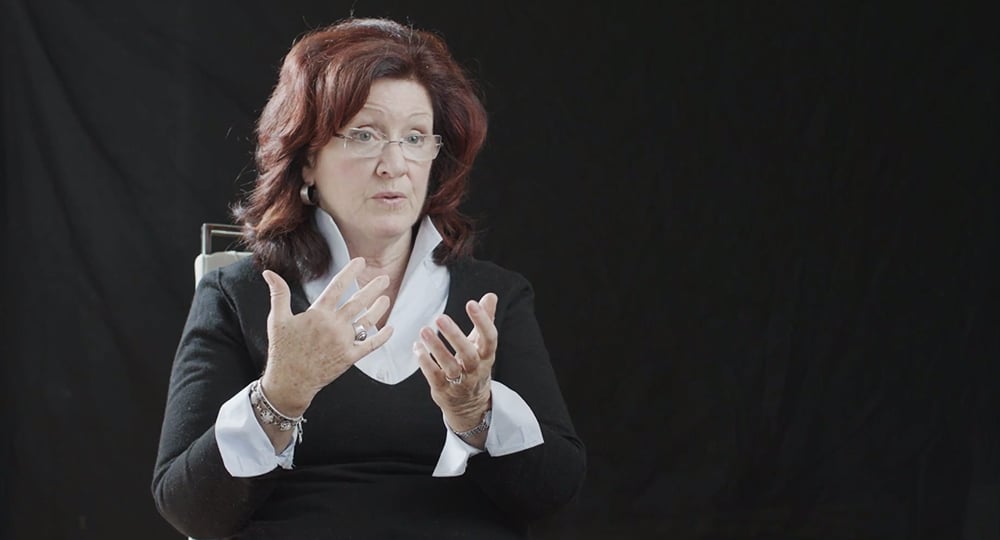
Emotionally Focused Therapy and Attachment-Based Healing

Sue Johnson on how Emotionally Focused Therapy (EFT) uses emotional connection and attachment security to support healing in individuals, couples, and families.

Emotional disconnection sits at the centre of many forms of psychological distress. In relationships, it can show up as conflict, withdrawal, loneliness, criticism, or cycles of pursuing and shutting down. In individuals, it may emerge through anxiety, depression, shame, emotional isolation, or difficulty turning toward others in times of need.

Emotionally Focused Therapy (EFT), developed by Sue Johnson, approaches these struggles through the lens of attachment. EFT focuses on how emotional responses shape patterns of connection with ourselves and with the people closest to us. Rather than treating emotion as something to control or move past, EFT works with emotional experience as the pathway to healing, security, and change.

Across couples therapy, individual therapy (EFIT), and family therapy (EFFT), the goal is to help clients engage with vulnerability in new ways and create more secure emotional connection within themselves and with others.

In this Q&A, Sue Johnson discusses the foundations of EFT, including attachment, emotional responsiveness, relationship distress, trauma, anxiety, depression, infidelity, and the role of secure connection in emotional wellbeing.

Q
What is Emotionally Focused Therapy (EFT)?
A

EFT is a tested, proven psychotherapy based on attachment science that is used with individuals, couples and families and focuses on the creation of corrective emotional experiences that transform how clients see and engage with their inner selves and with others.

Q
Why does EFT focus on emotion?
A

EFT focuses on emotion because emotion orients us, colors our world, frames the meaning we make of events, tells us what we need and “moves” us into action, as well as this it is the main signalling system we use to shape our relationships with others. Emotions are a compass, and a, if not the, core organizing variable in our inner life and our life with others.

Q
How does EFT conceptualise couple or family distress?
A

The key factor in distress is emotional disconnection and how the relationship dance, often some form of demanding and pushing for engagement by one partner followed by defensive withdrawal and dismissal by the other, perpetuates this disconnection. Partners and family members can push us into attachment panic with rejection and abandonment signals.

Q
How does EFT define a secure and healthy relationship?
A

A strong bond which offers both partners a safe haven and secure base to grow and learn and fully engage with life is characterized by emotional Accessibility or openness, Responsiveness and full Engagement. These qualities make up the acronym A.R.E. and fit with the key question in relationships – ARE you there for me?

Q
How does EFT create change in therapy?
A

EFT works by shaping a safe environment where clients can systematically assemble and distil their inner emotions and the meanings in those emotions and redefine the core emotional dramas with key others that define their sense of self and their sense of worth.

Q
How does EFT differ across couples, individual, and family therapy?
A

EFIT focuses on the expansion and growth of self, whereas EFFT focuses on the creation of more secure connection between family members, specifically, helping a parent become more open and responsive to a child so as to offer that child a safe haven and secure base relationship. However interventions are very similar in both.

Q
Does the security of your attachment predict better mental functioning and mental health?
A

Yes - is the short answer. For example there are over 100 studies linking the severity of depression to the attachment insecurity. Avoidant attachment has been more linked to externalizing disorders such as substance abuse and anxious attachment has been linked to internalizing disorders such as depression and PTSD.

Q
Is it really possible to gain a secure attachment through therapy?
A

Yes - a number of studies show that it is. Our study (Burgess-Moser, 2015, Journal of Martial and Family Therapy) also demonstrated this.

Q
What is the goal of EFT?
A

The goal of EFT is to facilitate growth towards a coherent positive sense of self and towards open responsive bonding relationships with others. EFT leads clients into a felt sense of secure connection with one’s inner self where vulnerability can be tolerated and accepted, and a felt sense of connection with others that builds resilience and full engagement in life.

Q
How does trauma affect relationships?
A

A core problem in trauma is overwhelming negative emotion, heightened sensitivity and vigilance for threat coupled with numbing and avoidance. It is easy to see how these factors would begin to destroy a relationship. The more distressed the relationship becomes the more alone the person is with their trauma and the more overwhelmed they become. Attachment insecurities and disconnection increase trauma symptoms and these symptoms further undermine relationships. We call this the trauma trap. When we know how to heal relationships we create relationships that heal – the most natural healing place for trauma is in the arms of the person you love.

Q
How much does EFT examine childhood experiences and attachment history?
A

Childhood experiences are the ground adult attachment strategies are built on and we do take an attachment history, but EFT focuses on the PRESENT and how past sensitivities emerge in the present and are either confirmed or disconfirmed in key ongoing emotional events.

Q
How does EFIT compare to CBT for anxiety and depression?
A

EFIT sees these disorders in the context of attachment relationships and the models of self and other that are shaped by interaction patterns in these relationships. It also intervenes differently taking people into and through difficult emotions rather than teaching people how to cope with them. CBT often teaches coping skills. EFT offers corrective emotional experiences so that the nature of the depression or anxiety changes. These experiences shape more emotional balance and expand client’s ways of thinking and behavioral repertoires but in a different way than CBT.

Q
Does EFIT take a transdiagnostic approach to mood and anxiety disorders or are there disorder-specific protocols?
A

EFIT uses the Unified Protocol outlined by David Barlow, a transdiagnostic approach to emotional disorders, to focus on the organizing features of depression and anxiety and views them both as problems of emotion regulation. Co-morbidity rates for anxiety and depression are high and treatments for one seems to produce significant improvements in the other. Both are characterized by a sense of uncontrollability and a heightened sense of perceived danger and helplessness. EFT stresses the impact of a felt sense of emotional isolation from others in the triggering and perpetuation of this emotional disorder process.

Q
Can principles of EFT and attachment science be integrated with other approaches such as CBT?
A

There are general principles that underlie all effective therapies – for example most use some form of gradated exposure to negative stimuli that shapes new responses. However the mind set and specifics of intervention are very different in EFT and CBT.

That being said we do use David Barlow’s UP model of emotional disorders to outline the nature of depression and anxiety problems in EFIT, as laid out in the book Attachment Theory in Practice (2019).

Q
What kind of interventions or change strategies are used in EFT?
A

EFT uses a structured sequence of macro interventions called the EFT Tango across modalities of therapy, to move clients into core emotions and corrective emotional experiences that expand the sense of self and engagement with others. Micro interventions from Rogerian models of therapy, such as asking evocative questions, and from systemic interventions such as shaping new positive enactments between intimates are also used. Change occurs through corrective emotional experiences that speak to client’s deepest needs, longings and existential dilemmas.

Q
How do you work with couples when one partner has much greater emotional awareness or emotional access than the other?
A

You can focus on one individual and give them, at times, more support than the other partner. We can be transparent about this – share what this is about – and also take the other into account by always going back to their perspective and the joint dance in the relationship.

Q
Do you find that anger often arises during family sessions of EFT, and do you have any tips for defusing tense situations?
A

Yes- anger is usually a reaction to the threat of abandonment or rejection. The EFT therapist holds the anger by accepting it and ordering it and making sense of it. He or she then helps the client go underneath it to feel and express underlying softer emotions that give rise to the anger.

Q
How does EFT approach the situation where one partner wants to leave the relationship and the other wants to save it?
A

An EFT therapist would explore the positions each partner takes and look at the process of interaction, as in I am leaving – Don’t go – and unfolds and explores the emotional and relational processes shaping this drama.

Q
How can lying and cheating behaviours be best explained according to EFT and attachment theory?
A

Often people turn to cheating in affairs out of alienation and despair – not knowing how to shape the bond with their partner. The EFT therapist stays curious, doesn’t make judgements – the question is always – HOW did this happen and how did your way of dealing with it perhaps add to the injury?

Q
Is serial infidelity considered as emotional abuse?
A

Most of the time, it is certainly experienced that way by the injured partner. Infidelity wounds can be healed in EFT but variables like high levels and the deliberateness of deception can sometimes make renewed trust almost impossible.

Q
Can EFT be used to promote the establishment of attachment bonds during periods of post-natal depression?
A

Yes. In fact, this is a period of huge transition when needs for close connection are high. When these needs go unanswered then loss, helplessness and the resulting “depression” can take over.

Q
How can EFT help couples with sex difficulties?
A

Yes. Securely attached people tend to have more and more satisfying sex and sexual satisfaction improved for the clients in our recent attachment study showing that insecure relationally distressed partners could repair their relationship and move into secure connection.

Q
If one partner has issues with addiction, should they seek intervention for this before engaging in couples EFT?
A

Yes. Addiction most often blocks the repair of relationships and active addiction is then a contraindication for EFT for couples. Addiction in attachment terms is a substitute for the secure connection with others that allows us to deal effectively with our vulnerability.

Q
How often is it necessary for couples therapy to be supplemented by individual treatment for one or both parties?
A

If one partner has chronic depression, core anxiety problems, PTSD or addiction then we usually recommend individual therapy as well as couple interventions.

Q
Can I go alone to EFT sessions if my spouse refuses to come with me?
A

If you go alone, you are engaging in EFIT – individual therapy. This may help you understand your experience in your relationship better, but to repair a relationship really requires couple interventions.

Q
Can EFT help couples achieve an amicable separation?
A

Stage 1 of EFT for couples offers stabilization and new perspectives on the relationship so this can be useful when couples are seeking an amicable separation.

Q
When is the right time to go for marriage counseling?
A

Most couples wait about 6 years before seeking help. It is better to get help earlier! We would not wait anywhere near that long to go to a dentist for an aching tooth! But we have seen love as a fall in and fall out proposition – not something we can deliberately learn about, shape and repair. So we wait – too long.

Q
How effective is EFT?
A

There are over 20 positive outcome studies showing that EFT impacts distressed relationships, including evidence that partners also change on an individual level, for example with regards to depressive symptoms and attachment security, and a number of positive follow-up studies suggesting that changes are stable across time. There are also 9 process of change studies that examine exactly how change occurs in EFT. Studies examine treatment effects across many different populations. EFT is systematically documented and well validated.

Q
How long does it take to repair relationships?
A

This depends on variables such as your level of commitment and engagement, how hard you are willing to work on repair and whether you have on target help. EFT studies suggest that 8-20 sessions enable the majority of couples to renew and repair their bond.

Q
I would like to learn more about EFT, what book would you recommend?
A

Attachment Theory in Practice (2019) if you want a multimodal overview: the Practice of Emotionally Focused Therapy for Couples 3rd edition (2019) if you want to focus down on couple therapy; Hold Me Tight (2008)– a book for the public, or Love Sense (2013) if you want to get a quicker overview.

You may also like