
How Can DBT Skills Be Applied to Support Anxiety & Mood Disorders?
Mood disorders are incredibly prevalent worldwide ranging from somewhere between thirteen to twenty percent of people suffer from a mood disorder. We know working in clinical practice how many patients arrive in our offices with some type of mood disorder which has so many dramatic effects on various functions in their life. So for example, we know it obviously affects their emotional functioning and behavioral functioning. But if you think about the ripple effect on people's occupational functioning where they have trouble getting to work or functioning effectively in the office, they have trouble in terms of their educational functioning for those who are trying to go to school and learn.
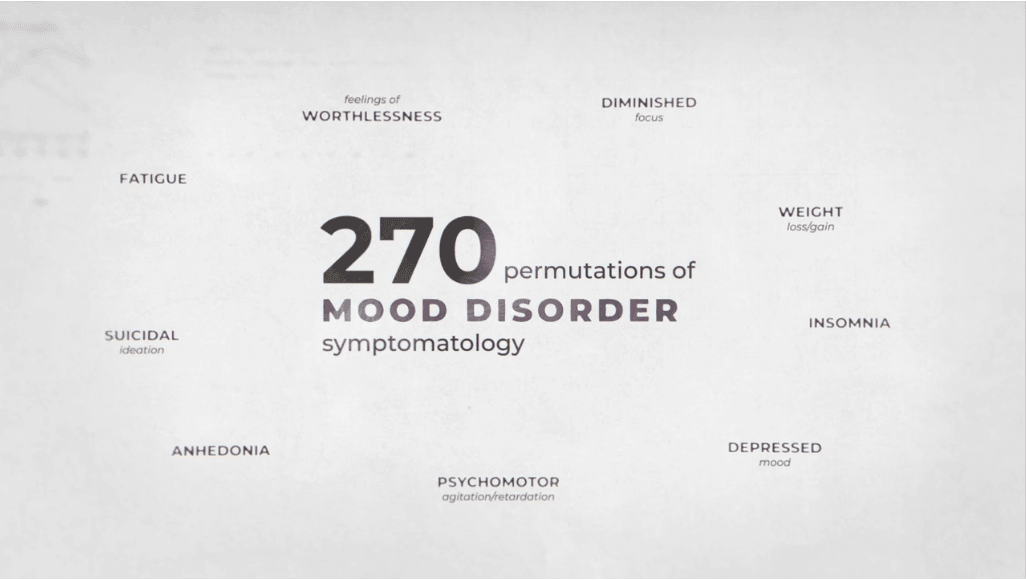
We know it impacts their social functioning where they may have some greater social withdrawal or greater difficulties with loved ones because they are not in the mood to socialize and spend time with each other and listen to others. And of course, it affects their capacity to earn income and they have greater risk for disability with mood disorders being one of the top causes of disability worldwide. So we as clinicians who work with depressed patients recognize that there are so many different areas of impairment that we have to work with with our patients. And it is a often complicated treatment because if you think about it even just within major depression, there are about two hundred and seventy permutations of mood disorder symptomatology.
So with that said, we have to keep in mind how are we going to best approach treating our depressed and bipolar adult clients in such a way that we can be flexible and still have a coherent approach to address their problems in a fairly systematic way. So to better help the clinician organize our mindset and approach, it's critical to have a good assessment and then a good case conceptualization to understand the ideology of some of these presenting problems but more importantly, how do we then approach in a systematic way their interpersonal chaos, their emotion dysregulation problems, their impulsivity when that exists among mood disorder patients and of course a lot about their hopelessness, their worthlessness, their helplessness and keeping their motivation going. Because that's a hallmark for so many depressed patients is I don't feel the energy to move forward. And I think for those of us working with depressed and mood disorder clients, keeping hope alive, keeping momentum going, keeping them inspired is the key to keeping this therapy going.
And so a lot of the DBT skills that we're going to demonstrate will lean on coming back to the client moment to moment saying, not only does this make sense, but are you willing to work with me on trying this new skill and linking it back to their problem behavior and saying this is going to be critical to kind of help change your life and save your life and reestablishing commitment and motivation throughout.