
Using DBT Skills For Anxiety-Related Avoidance
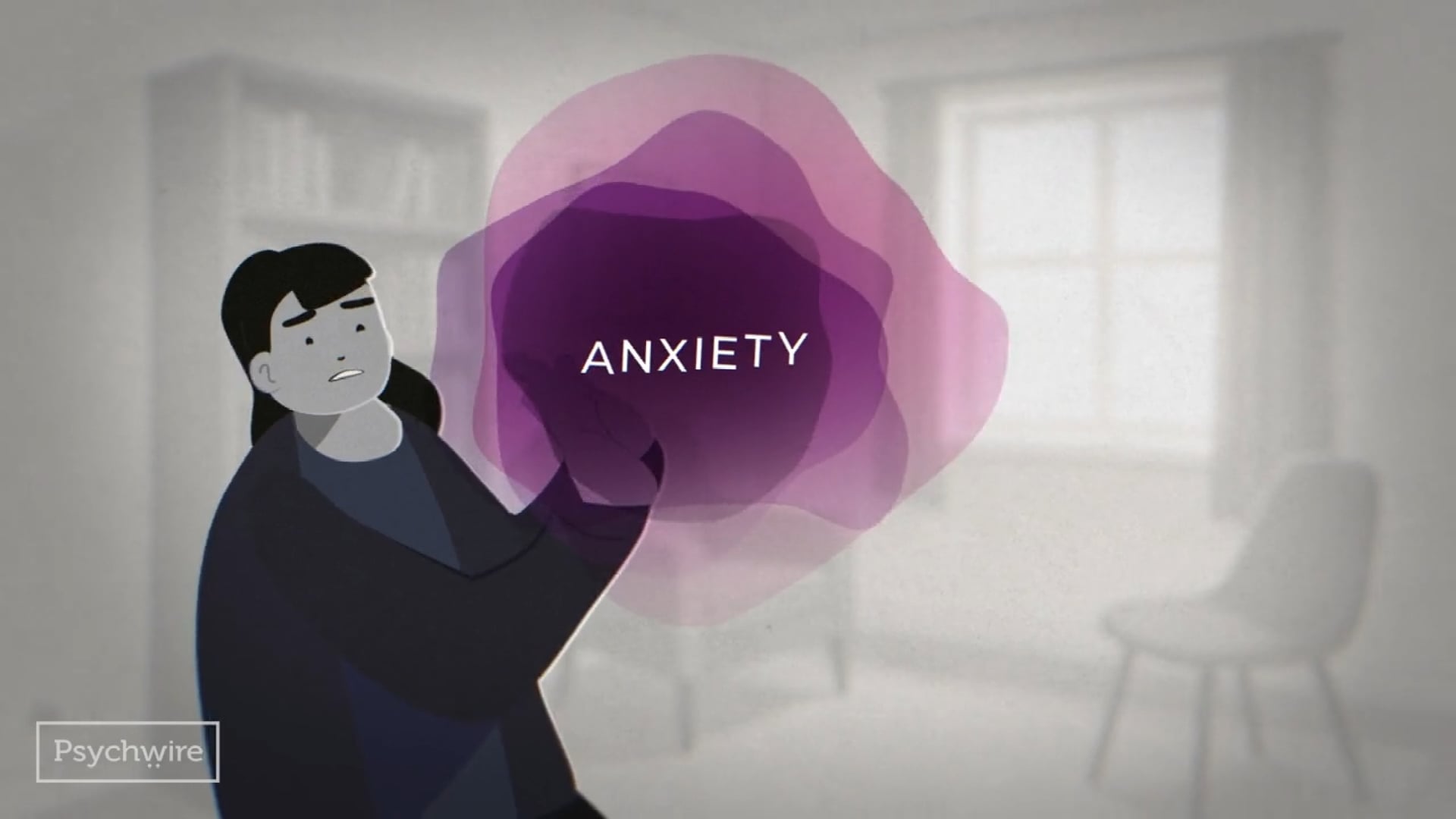
Emotional and behavioral avoidance is really a hallmark of anxiety disorders. First of all, there's the emotional avoidance. It is very aversive for clients to experience the emotions of worry, anxiety, and fear. As part of emotional avoidance, people might go to great lengths to avoid experiencing extreme worry thoughts or even physical sensations of anxiety and fear. In addition to avoiding the emotional experiences that come with anxiety, people also have behavioral avoidance.
In other words, they avoid people, places or situations where they're likely to experience their anxiety symptoms. With specific phobias, clients will of course avoid the thing that they're phobic of whether it's dogs or heights. With things like panic and agoraphobia, people actually go to great lengths to behaviorally avoid any situation that might bring on a panic attack and the incredibly uncomfortable aversive physical sensations of experiencing panic. So avoidance comes with every anxiety disorder you could name. And avoidance might seem like a perfectly good idea, I avoid the cue and I don't have to experience the anxiety.
The only problem with that logic is that that only works in the very short term. The avoidance actually gets reinforced because it brings relief because the client doesn't have to experience a great deal of anxiety. But the problem is that avoidance actually maintains anxiety in the long term and it also never gives clients a chance for their brains to learn that feared situations may actually be perfectly safe or that they can tolerate experiencing sensations or experiences of anxiety when they occur. So the DBT skills allow us to really address this area of emotional and behavioral avoidance in anxiety.
And with skills such as mindful awareness and acting opposite to our urges to avoid, what we're really doing with clients is exposure. It boils down to exposure treatments to whatever the avoided emotions, cues or behaviors or even physical sensations are. The buy in and commitment is going to be really important for doing these exposure based approaches for clients with emotional and behavioral avoidance. So you have to be sure to orient the client as to how these skills are going to help them, that the skills are going to be safe to use and that the skills with their exposure based contents are really the only way to get to the bottom of the emotional and behavioral avoidance that ultimately maintains their painful and aversive anxiety.