
Evoking: The Technique That Helps Clients Want To Change
Evoking. It's the heart of motivational interviewing. And it's a funny word, really, and we couldn't think of a better one. I'll tell you why. Because the essence of motivational interviewing is instead of you persuading the person why or how they should change, you encourage them to do that. So evoking is an activity in which you draw out of them their own good reasons and motivation to change. And what happens when you do that, and you'll notice it, is they come to a realization of sorts.
They come to see things differently. That's what we mean by evoking. Now this might sound complicated, or even you might think, oh my word, this is just psychobabble or something like that. But really in everyday practice, evoking can be quite a simple matter. Let me give you a straightforward example. If you're talking with somebody about getting more exercise and you simply use one word, which is why.
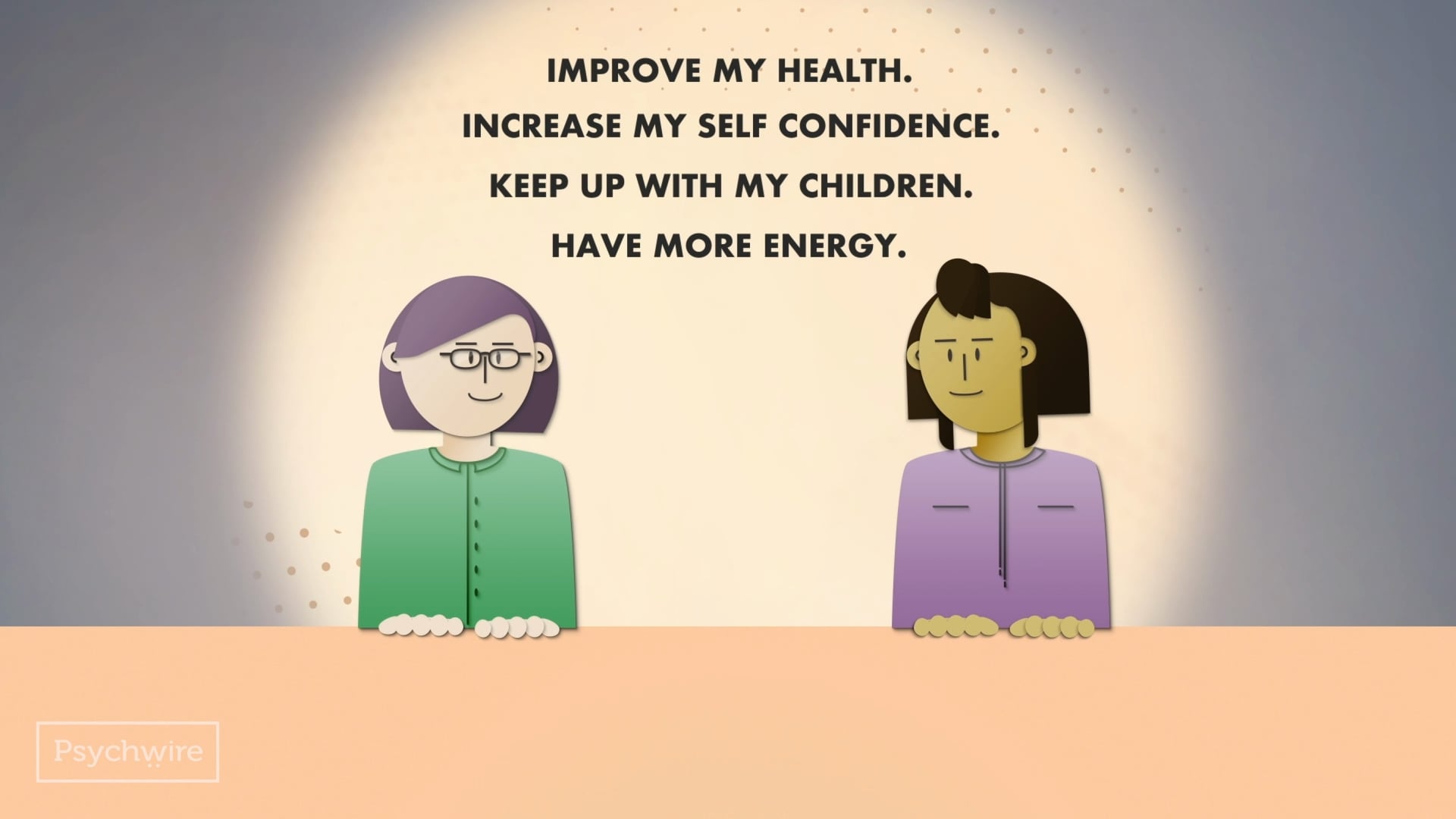
Why might you do that? It's one word. It's an open question. What they will do is start telling you why, and that is evoking. Because as they hear themselves talk about this, they come to a strengthened perspective on why it's a good idea. You are evoking. And as they talk about change, which we call change talk, if you like, they come to believe what they hear themselves say.
And that is, if you like, the sort of magic ingredient in MI, where in a comfortable space with you, they hear themselves say why and how they might change. So it not only has a powerful effect on them, that's number one, because they hear themselves speak about change. It can also have a powerful and satisfying effect on you, so that's number two, because you're not doing all the work for encouraging this person to change. They are. You're just creating the space for them to do this.
And then there's a third aspect, which is that it leads to better outcome. And that's what the many hundreds of trials on motivational interviewing seem to demonstrate. I've heard it described as a bit like removing a brick wall from a dam. You don't need to take the whole dam down. You just remove one brick and the water flows through it.
You're just opening up the opportunity for them to say why they wanna change and just don't get in the way and let them do the rest. And you'll notice the positive energy flowing out of them. So in many senses this can feel like a paradigm shift for practitioners because instead of solving problems for people or jumping ahead too quickly to planning, you're giving them a little bit of space to say why they might change. Something you can get better at because you'll notice when you start this that you maybe feel a little bit out of control asking a simple question like why. Trust the patient, trust yourself, follow the change talk language and your outcomes will improve.