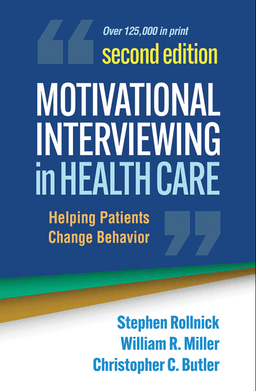
Motivational Interviewing in Health Care
Help patients move toward better health, one conversation at a time, in this online course with the co-founder of MI, Stephen Rollnick.
Help patients move toward better health, one conversation at a time, in this online course with the co-founder of MI, Stephen Rollnick.

Learn Motivational Interviewing (MI) from co-founder Stephen Rollnick and a team of expert clinicians, with a focus on real-world strategies you can use in fast-paced health care settings. Whether you’re working in primary care, allied health, nursing, or mental health, this course will show you how to bring Motivational Interviewing into your day-to-day consultations to make them more collaborative, effective, and satisfying.
Support Change - Without Needing to Convince or Persuade
As health professionals, we’re trained to solve problems. But when it comes to behavior change, telling patients what to do often isn’t enough - and can sometimes backfire. Motivational Interviewing offers a more effective alternative: a guiding style of communication that helps patients find their own motivation to change.
This self-paced course helps you integrate Motivational Interviewing into routine care - even brief appointments. You’ll learn how to navigate common challenges like patients who seem unsure, withdrawn, or hard to connect with - and how to use core Motivational Interviewing strategies to lift the tone of your consultations, reduce burnout, and improve outcomes.
With a focus on real clinical applications, the course includes practical demonstrations with a range of health professionals (including GPs, dieticians, and nurses) working with issues ranging from chronic illness to mental health and lifestyle change.
Stephen Rollnick, PhD, is the co-founder of Motivational Interviewing and an internationally recognized trainer and author. Drawing on decades of experience in health care and behavior change, he presents this course alongside a team of skilled health professionals working across primary care, dietetics, mental health, and more.
You’ll learn from clinicians who know the realities of time-pressured consultations - and who show how even small shifts in communication can make a big difference.
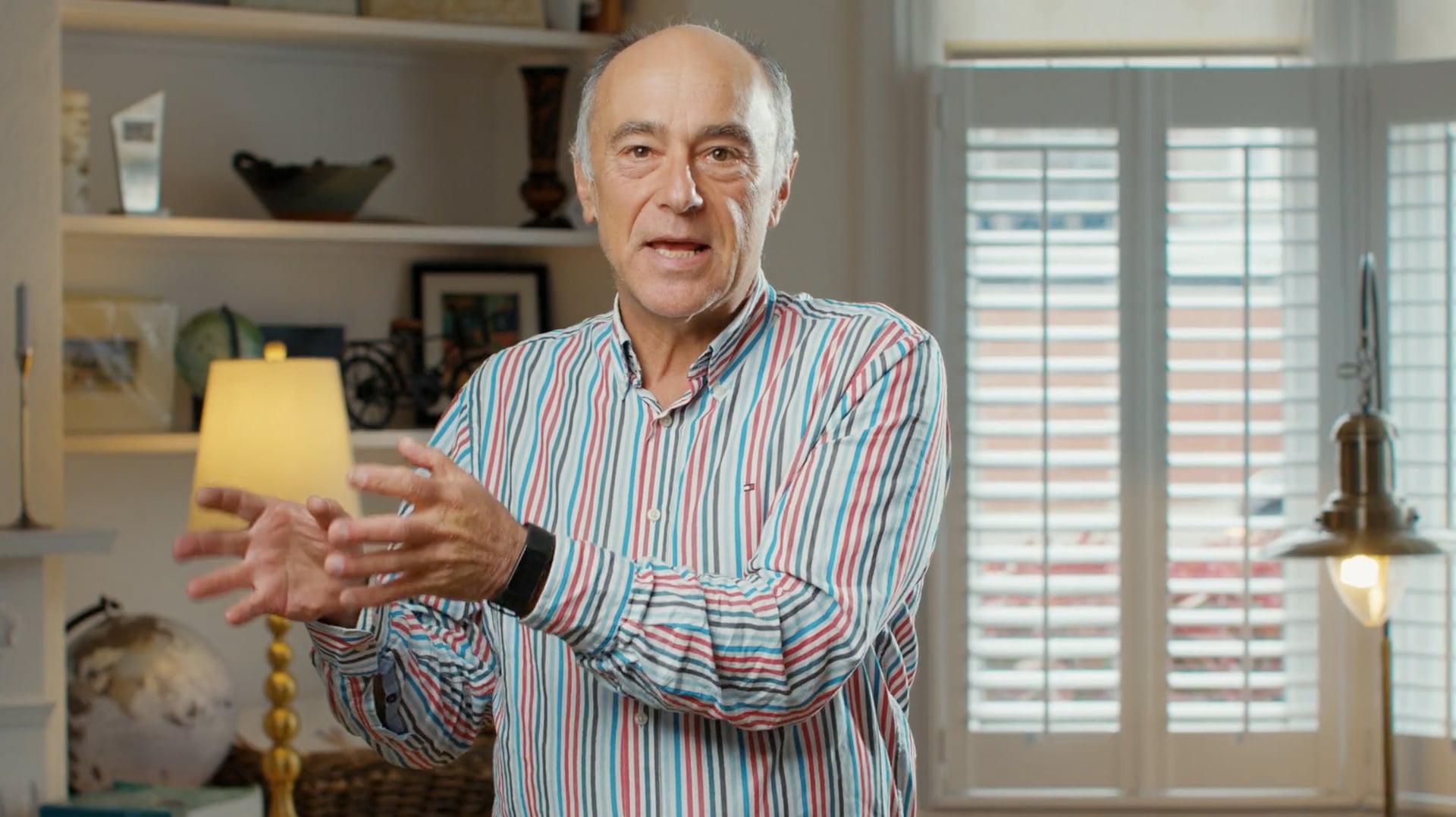
Gain practical tools you can start using right away - even in brief, time-limited consultations. You'll learn:
A powerful alternative to persuasion: how to guide patients toward change
How to respond skillfully when patients seem unsure, disengaged, or hard to connect with
The 4 processes of Motivational Interviewing and how to apply them in clinical practice
How to ask open questions that invite reflection and promote autonomy
Using affirmations and reflective listening in difficult consultations
Ways to make short appointments feel more meaningful and effective
How Motivational Interviewing can reduce frustration and lift the emotional tone of practice
This training is ideal for:
GPs, nurses, and allied health professionals
Mental health workers and behavioral health practitioners
Public health, community health, and hospital-based staff
Clinical educators and team leaders seeking practical, scalable training
Health services and organizations looking to strengthen patient engagement and reduce staff burnout
For Teams and Organizations
This course is also popular with health services, clinics, and training programs looking to build Motivational Interviewing capacity across teams. If you're interested in group access or organizational training, contact us to learn more about flexible enrolment options.
This on-demand course is designed to fit into the reality of busy clinical life. You’ll get 12 months of access to:
Short, focused lessons you can revisit as often as you need
Clinical demonstrations across a wide range of medical contexts
Optional deeper-dive videos to explore key skills further
A searchable digital library of additional resources
Whether you’re learning one new Motivational Interviewing skill at a time or diving into a full mindset shift, this course offers practical tools you can apply immediately.
If you would like to request an invoice, please fill out the form here.
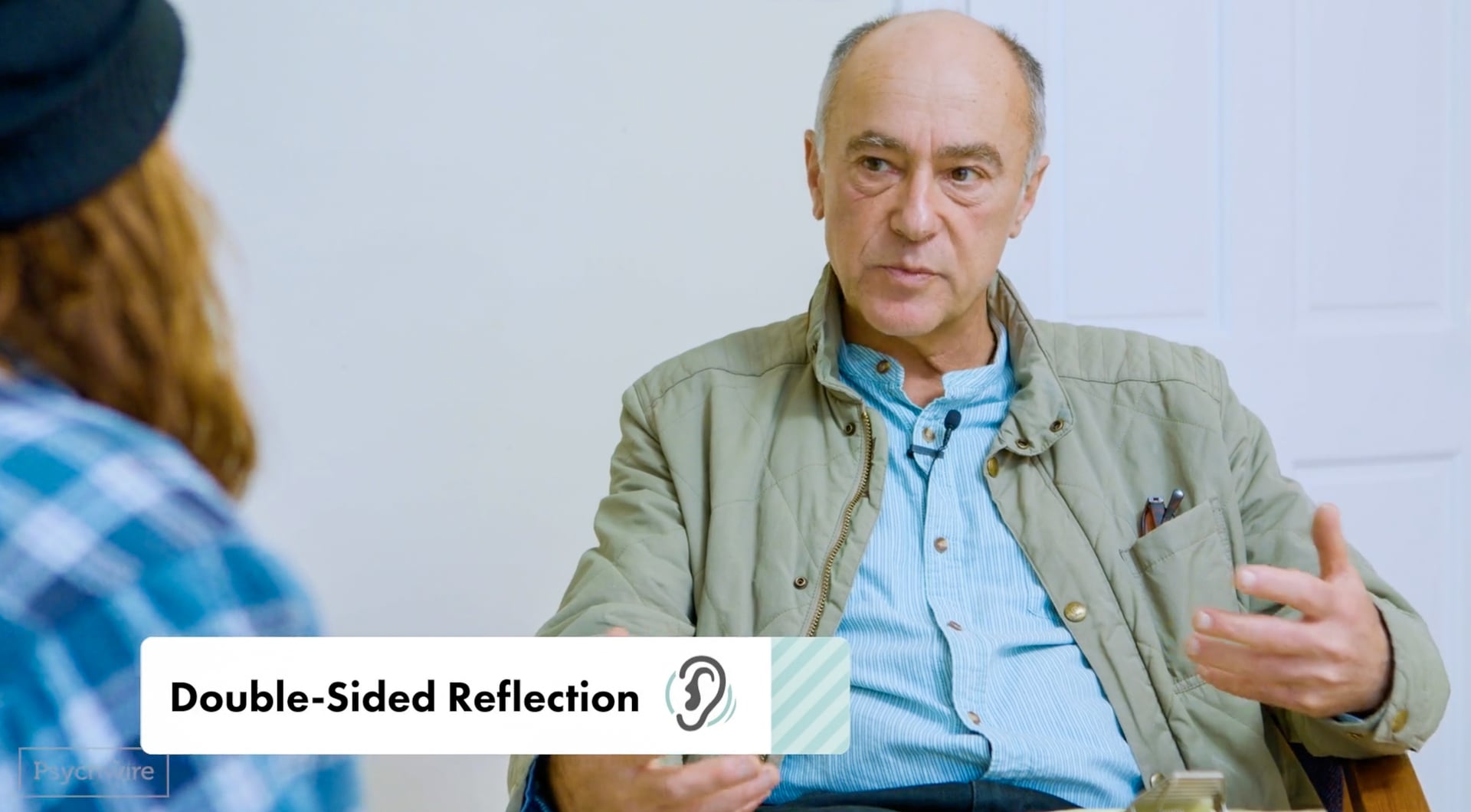

In this section we focus on the research, and theory that create the foundational base of MI. We'll look at how and why our patients may struggle to change, even in the face of significant health issues.

We continue to delve into mindset and investigate what a productive conversation about change looks and feels like, focusing on how we overcome hurdles and the righting reflex.

This section provides a vital introductory springboard for learning practical skills and techniques we will be covering in the later modules, which allows us to effectively intervene with our patients regardless of their diagnosis or healthcare setting.

In this part of the course, we delve into the vital processes at the heart of MI: engaging, focusing, evoking and planning.

The first section focuses on engagement and you'll learn how to engage patients even when you're extremely short on time.

This module explores focusing, utilizing highly practical demonstrations to learn what a shared focus looks like.

We delve into the process of evoking and investigate how we can help patients address ambivalence in this module.

Listen to experts and watch practical examples of planning and consider what form a plan can take in your practice.

This section builds upon the practical skills that you’ll need in order to continue to integrate Motivational Interviewing into your day-to-day work.

This section focuses on the skill of asking. You’ll be encouraged to reflect upon your existing practice and consider how to ask for information.

Learn how to integrate the core skill of listening into your day to day work.

The core skill of affirming is explored as we investigate what affirming looks like with a Motivational Interviewing twist.

This section delves into the skill of summarizing and looks at when is it most useful to summarize what a patient has said.

We delve deeper into the various ways that Motivational Interviewing can be best integrated into your practice and consider when it is appropriate to give information and advice.

This section tackles the very real time pressures that occur in healthcare and how to utilize Motivational Interviewing in brief consultations.

This section looks at practical tips and strategies to manage difficult consultations with clients who do not want to engage.

We'll look at practical points that you’ll need to effectively and confidently move forward with Motivational Interviewing.

This section contains highly relevant demonstrations and practical examples to help you consolidate the new skills necessary for implementing real & effective practice change.

We'll complete a final wrap up and consolidate our learning.
Sui WongPhysician - London, UKExcellent short and clear videos for specific learning points; and the markers highlighting points during video clips demonstration. Clear concise videos, well-curated course. One of the most effective ways of learning that I've come across.
Katherine M IanniHealth coach - Stamford, CT, USAIt has covered the basics of MI in a very efficient manner. I'm enjoying the demonstrations because they are very realistic. I can see myself saying the practitioner's words.
Donald DworekPhysician - United StatesIt is helping to refine my clinical skills such as asking the right questions and having the patient decide on the direction of the conversation.
David Cabezas, MDPhysician - St. Augustine Beach, Florida, United StatesMI should be taught in all medical schools. MI can be adapted to any situation in patient care and outside patient care to be a more effective communicator. For my colleagues, I would simply say to them this training will make your life so much easier when interacting professionally or personally.
Hector MedinaPhysician - The NetherlandsThe format is very well thought out. Everything seems to be crisp clear.
Deborah L. Wilson, MDPhysician - Columbus, Ohio, USAI was introduced to MI years ago but not in a away that made sense to use in a packed schedule. This makes it seem very doable without inordinate amounts of time needed. This course is very practical and well presented.
Motivational Interviewing in Health Care is designed for health professionals worldwide. On completion you'll receive an official certificate of completion, which can be submitted to registration bodies for CPD.
This course is accredited for 8 CE/CME credit hours for US licensed professionals:
Psychologists - 8 CE hours, APA - co-sponsored with Amedco, an APA-approved sponsor
Social workers - 8 general CE credits, ASWB ACE
Physicians - 8 AMA PRA Category 1 Credits™, ACCME
Nurses - 8 contact hours, ANCC
Counselors, MFTs & addiction professionals - 8 hours, accepted by most US state boards via APA and ASWB ACE credit - see the state-by-state list
Approved CE activity with the New York State boards for Psychology, Social Work, Mental Health Counseling, and Marriage & Family Therapy.
View the full learner notification for this course (PDF) - includes complete accreditation statements, state board acceptance lists, learning objectives and faculty disclosures.
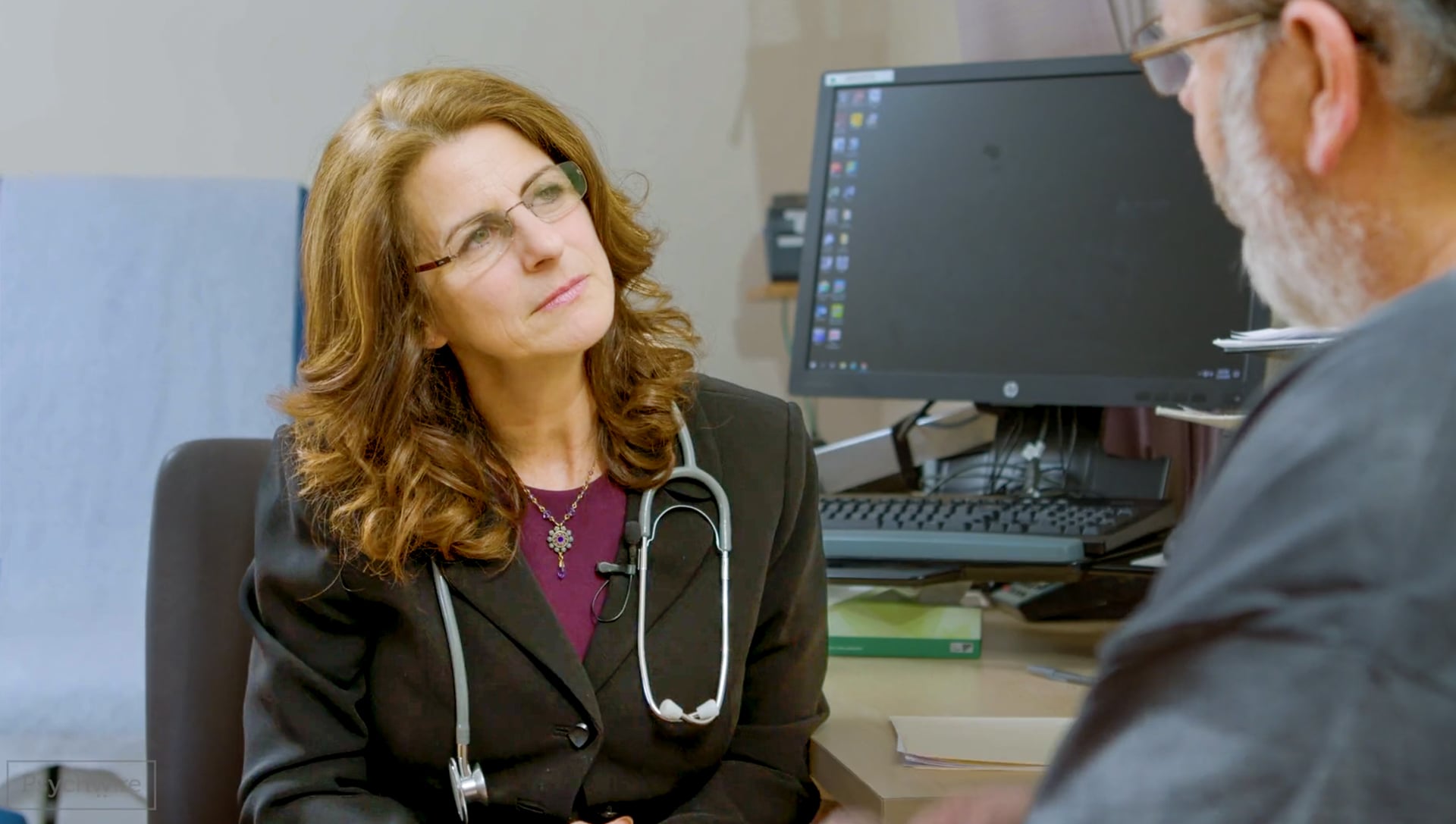
This course is for health professionals who regularly work with behaviour change and want conversations that are more effective and less effortful. It is especially relevant for GPs, nurses, allied health practitioners, mental health clinicians, and community health staff working in time-limited settings.
If you find yourself repeating advice or encountering resistance, this course shows how to engage patients more effectively without adding time to consultations.
No. This course introduces the core ideas and skills of Motivational Interviewing and shows you how to apply them in everyday health consultations.
If you have already completed the Foundational MI course, you will find this training deepens your understanding of how MI works in fast paced, time limited settings. You will see how even brief conversations can become opportunities to strengthen motivation and build trust
Many health systems and hospitals are now training staff in Motivational Interviewing at all levels, recognizing its value for both patient care and staff wellbeing. When Motivational Interviewing becomes part of routine consultations, services often see improvements in patient engagement, follow-up consistency, and overall satisfaction for both patients and practitioners.
Implementing Motivational Interviewing does not require a major system overhaul, and this course is on-demand, enabling flexibility within an organization. Implementing MI begins with shared awareness, practical training, and small, consistent changes. Forming peer practice groups or building MI reflection into team meetings helps staff develop confidence and skill over time. As MI becomes part of the culture, teams often report reduced burnout, stronger collaboration, and more meaningful communication across the service.
When consultations feel one sided or unproductive, it can take a toll on practitioners. Motivational Interviewing offers a more humane and satisfying way to communicate. By learning to guide rather than persuade, you reduce the emotional strain of trying to convince patients and build a greater sense of collaboration and connection.
Many practitioners find that MI makes their conversations more effective, less draining, and more rewarding.
Your free ebook/s will be available in your course library as a downloadable PDF on the course start date.
This course offers a downloadable Certificate of Completion you can use to show your professional development boards. CE/CME credits are also available for completing this course - please check the learner notification to view the relevant accrediting bodies.