
Our early relationships set up mental models for who we are and our ability to trust in the reliability and predictability of others. So if we take a moment and think about a beautiful new baby, from an attachment point of view, that baby is wired for connection. And if that baby grows up in a world where their caregivers are accessible and responsive and engaged, that baby is more likely to develop a secure attachment style. In contrast, if this beautiful baby grows up in a world that is unpredictable or unsafe and especially if that world is predictably dangerous, that child is going to develop a view of self as unworthy, unacceptable, unlovable, a view of others as unpredictable, even dangerous, unreliable most certainly.
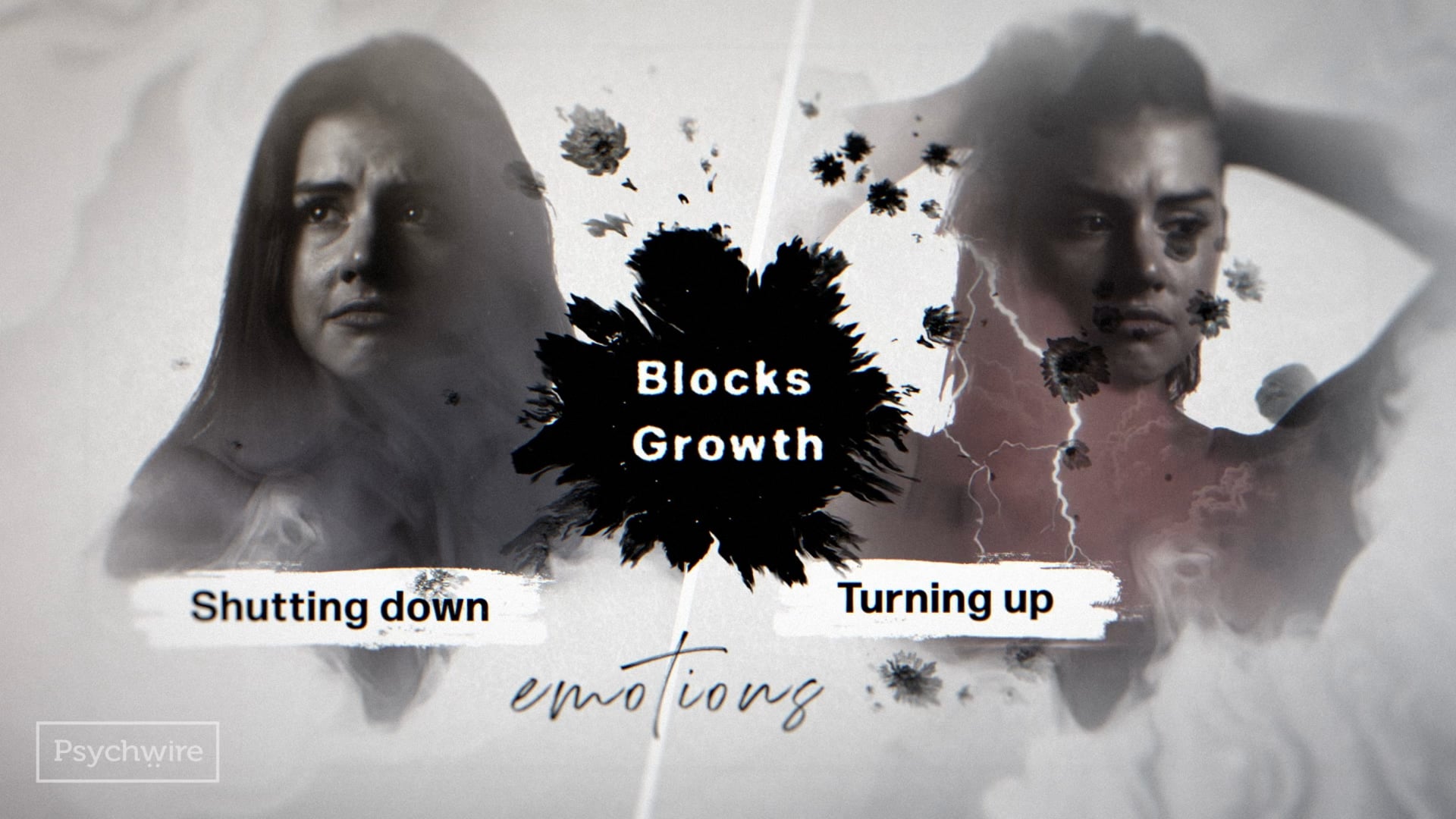
If that happens chronically, there's no choice but to either shut down emotion, ramp it up, intensify emotion with protest or some combination of both. In the child literature, we talk about this as disorganized attachment. It feels chaotic. In the adult literature, we talk about this as fearful avoidant attachment and that's commonly the type of attachment strategy that we see in our offices or our therapy spaces. Bringing this all back to this title of the fourth principle of attachment, discovery, learning, and exploration.
When we either shut emotion down or turn it up or some combination of both, it blocks growth. Bowlby would say that internal working models of self and other are constantly updated in the context of new meaningful emotional and relational events. When we shut things down or redactively intensify emotion, we create distance. We create distance from self and experience and we block the ability to grow and to learn and to thrive in new experience.
Early childhood experiences set the tone but are not set in stone. So when we meet our clients in our therapy spaces, we can help make sense of these prototypical strategies in the context in which they live and have lived, but we also know that we can change them. This notion of discovery, learning and exploration also applies to other types of trauma, not just developmental trauma. What attachment science would tell us is that it's adaptive.
It's adaptive to shut down in the context of traumatic loss. It's adaptive to shut down in the context of military or first responder trauma. It's adaptive to shut down in the context of single incident trauma such as a motor vehicle accident, it makes sense that all of our resources would temporarily go towards survival. But if that becomes long standing and that becomes a prototypical strategy for coping, that's when we can run into trouble because it shuts down learning and growth and exploration.
It prevents us from growing in the worlds that we live in, the interpersonal worlds where we grow and evolve and become our best selves.