EFT for Trauma and Attachment Injuries
Support clients to heal from trauma and attachment injuries using Emotionally Focused Therapy (EFT).
Support clients to heal from trauma and attachment injuries using Emotionally Focused Therapy (EFT).
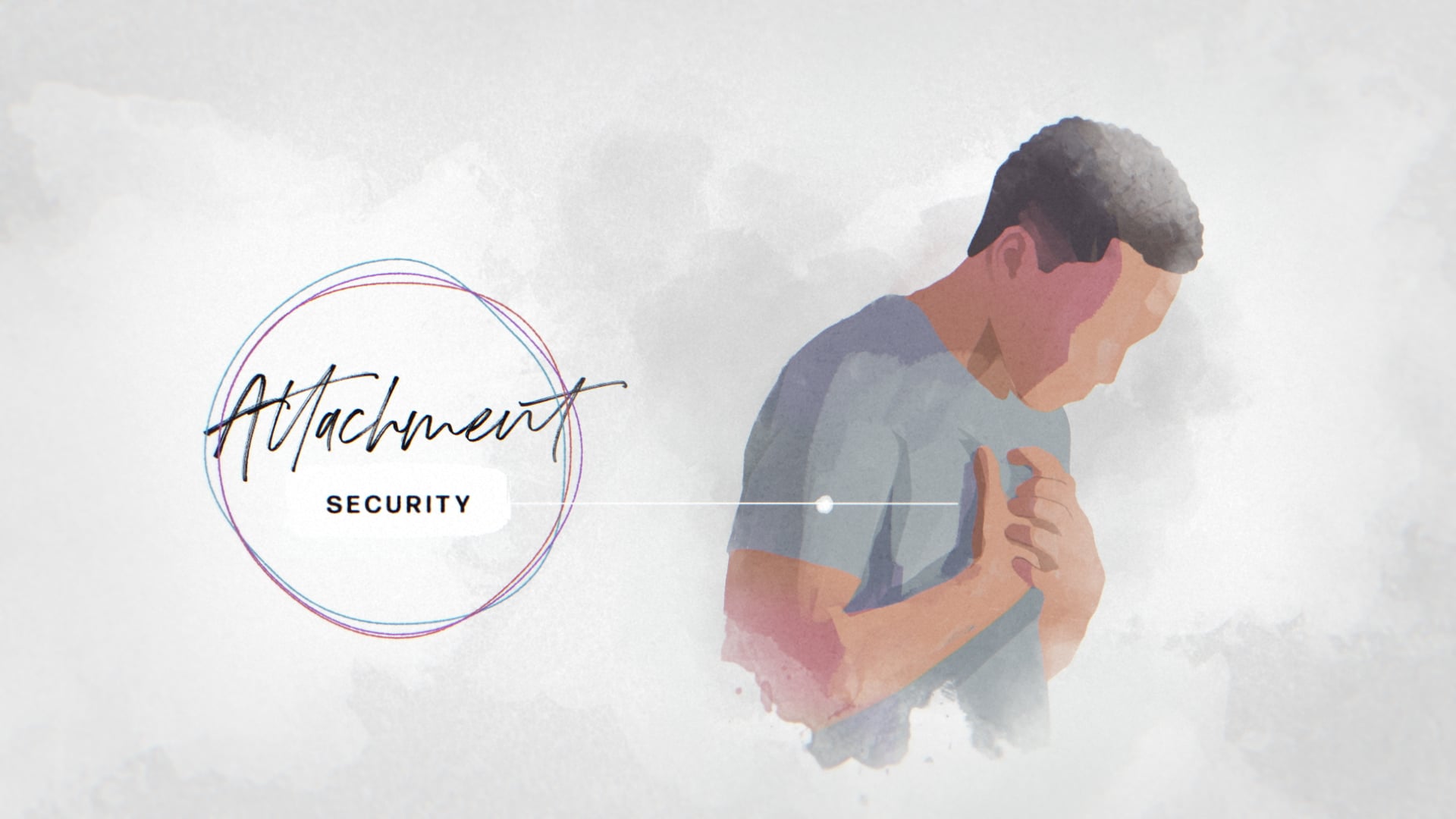
Trauma and attachment injuries often bring clients to therapy when their experiences feel overwhelming or unresolved. For many, repeated exposure to work-related trauma, single-incident events, developmental trauma, or ruptures in key relationships can leave them feeling unsteady and disconnected. This can lead to entrenched patterns of protection, avoidance, and self-blame that keep clients stuck in distress.
Emotionally Focused Individual Therapy (EFIT) offers an attachment-based way of understanding and working with these patterns. Grounded in the science of attachment and the power of emotion, EFIT helps clients understand how protective strategies that once helped them cope now shape their distress, while also supporting access to deeper emotional experience and new ways of relating to themselves and to others. EFIT offers a flexible framework that supports your work across a range therapeutic approaches, client groups, and clinical settings.
The EFIT Tango, a simple five move set of interventions, gives you a clear way to focus each session and deepen change, while the three-stage structure of EFIT helps you track progress as clients move from rigid protection toward greater flexibility, resilience, and connection.
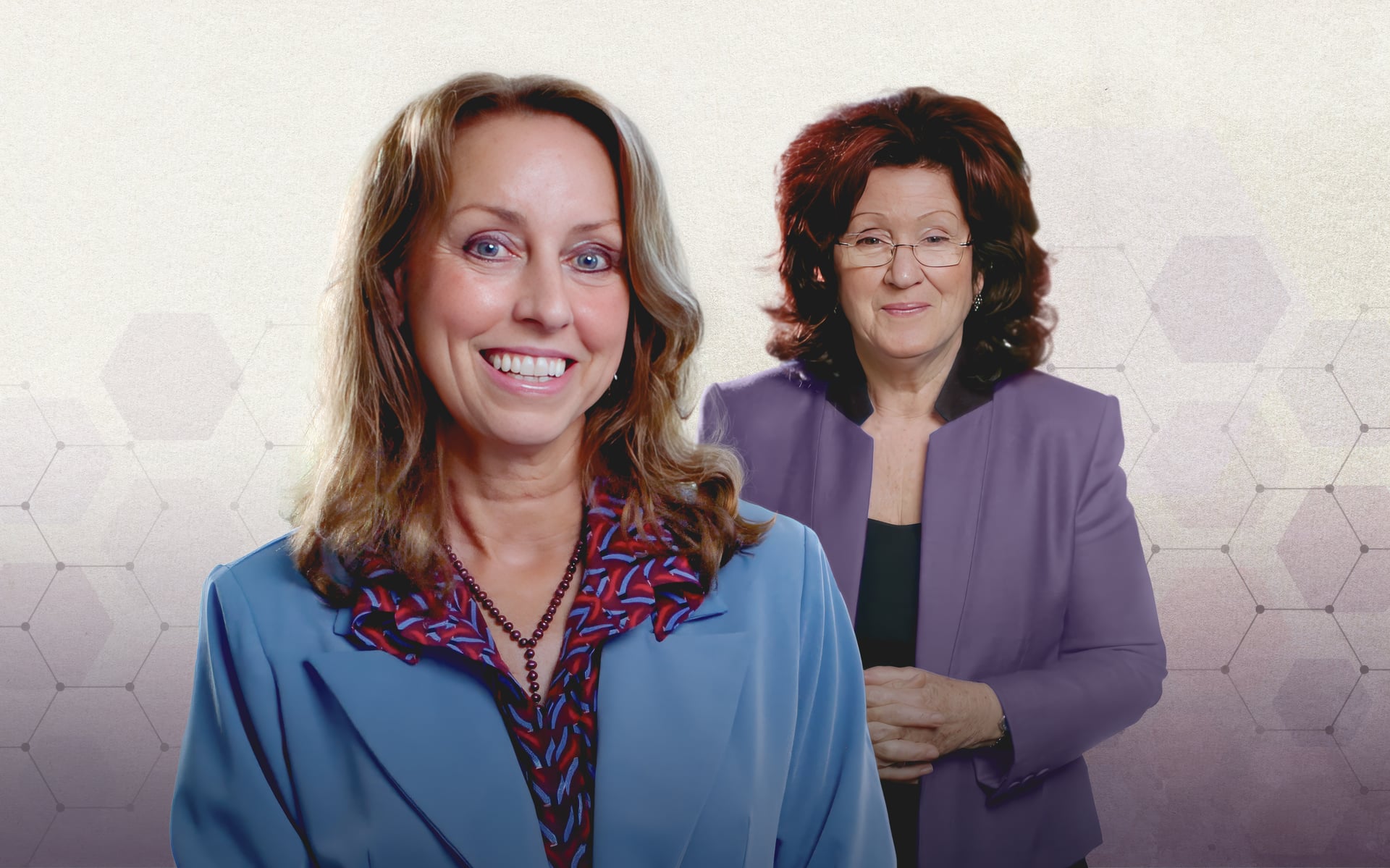
This course is led by Dr Leanne Campbell, co developer of EFIT and co-author with Dr Sue Johnson of A Primer for EFIT: Cultivating Fitness and Growth in Every Client (Routledge, 2022) and Emotionally Focused Therapy for Trauma (Guilford, 2026). Dr Campbell is also co-author and developer of several EFT-related training resources, an executive board member of the International Center for Excellence in Emotionally Focused Therapy, and co-founder of a multi-site clinical psychology practice.
Drawing on decades of clinical experience and close collaboration with Sue Johnson, Dr Campbell offers clear, compassionate guidance for using EFIT with clients who have experienced trauma and attachment injuries. The course also includes selected excerpts from Sue Johnson, providing additional depth and perspective on attachment, emotion, and the process of healing in individual therapy.

By the end of this course, you will be able to:
View clients’ distress through a compassionate attachment lens that honors previous adaptive protective strategies rather than pathologising them
Conduct an attachment-based experiential assessment to guide pacing and intervention
Identify and manage indicators of risk, including self harm and suicidal ideation
Help clients access their internal emotional experience to expand awareness, increase flexibility in coping, reduce symptoms, and shift relational and behavioral patterns
Apply the EFIT Tango to foster meaningful emotional change in session and support new experiences of self and other
Use the three-stage map to gauge clients’ progress and the pacing of your interventions
Apply a simple step-by-step approach to resolve attachment injuries
Maintain your own emotional balance and care for yourself as you accompany clients through intense trauma-related material
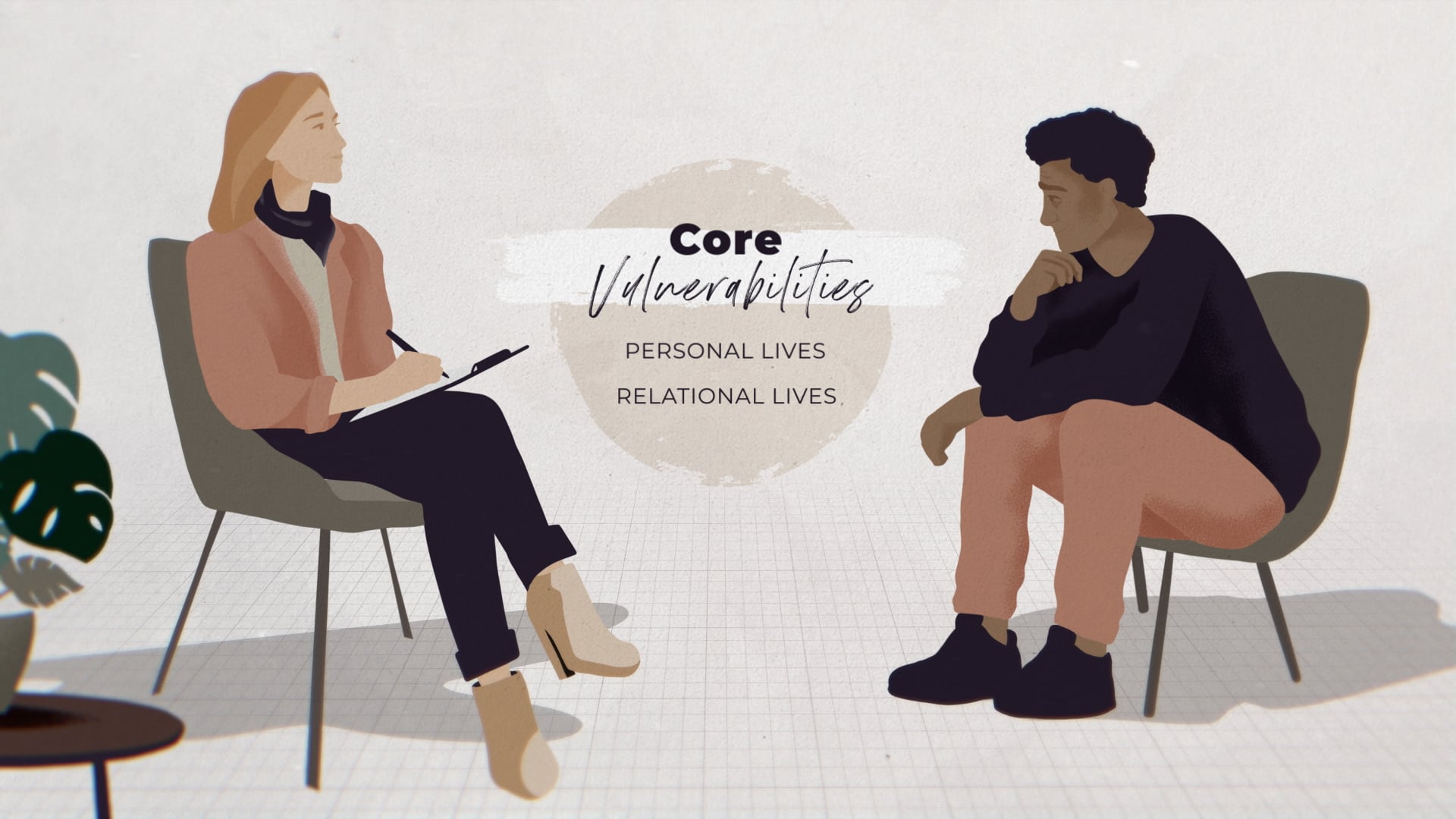
This advanced training gives you a clear framework for treating trauma and attachment injuries with EFIT, so you can help clients move from stuck, repetitive patterns toward greater flexibility, connection, and resilience. You will learn through:
Video lessons that introduce the key principles of EFIT and show how to apply them in trauma-focused work
Therapy demonstrations that show EFIT in action with clients dealing with trauma and attachment-related distress
Practical tools and step-by-step guidance you can bring directly into your sessions
Interviews and clinical discussions that deepen your understanding and support reflection on your own therapeutic stance
This course is ideal if you want to:
Build confidence treating trauma with an attachment-based model that centres change on creating new emotional and relational experiences (corrective emotional experiences)
Learn directly from the co developers of Emotionally Focused Individual Therapy (EFIT)
Respond effectively to emotional dysregulation that often accompanies trauma
Create a therapeutic process that offers clients a sense of safe haven and secure base for healing and recovery
Enrollments
We're happy to help if you can't attend the current intake. Once your purchase is complete, contact our customer service team and we can enrol you in a future intake.
If you need an invoice, please fill out the form here.

EFT for Trauma and Attachment Injuries is designed for mental health and health professionals worldwide. On completion you'll receive an official certificate of completion, which can be submitted to registration bodies for CPD.
This course is accredited for 12 CE/CME credit hours for US licensed professionals:
Psychologists - 12 CE hours, APA - co-sponsored with Amedco, an APA-approved sponsor
Social workers - 12 general CE credits, ASWB ACE
Physicians - 12 AMA PRA Category 1 Credits™, ACCME
Nurses - 12 contact hours, ANCC
Counselors, MFTs & addiction professionals - 12 hours, accepted by most US state boards via APA and ASWB ACE credit - see the state-by-state list
Approved CE activity with the New York State boards for Psychology, Social Work, Mental Health Counseling, and Marriage & Family Therapy.
View the full learner notification for this course (PDF) - includes complete accreditation statements, state board acceptance lists, learning objectives and faculty disclosures.