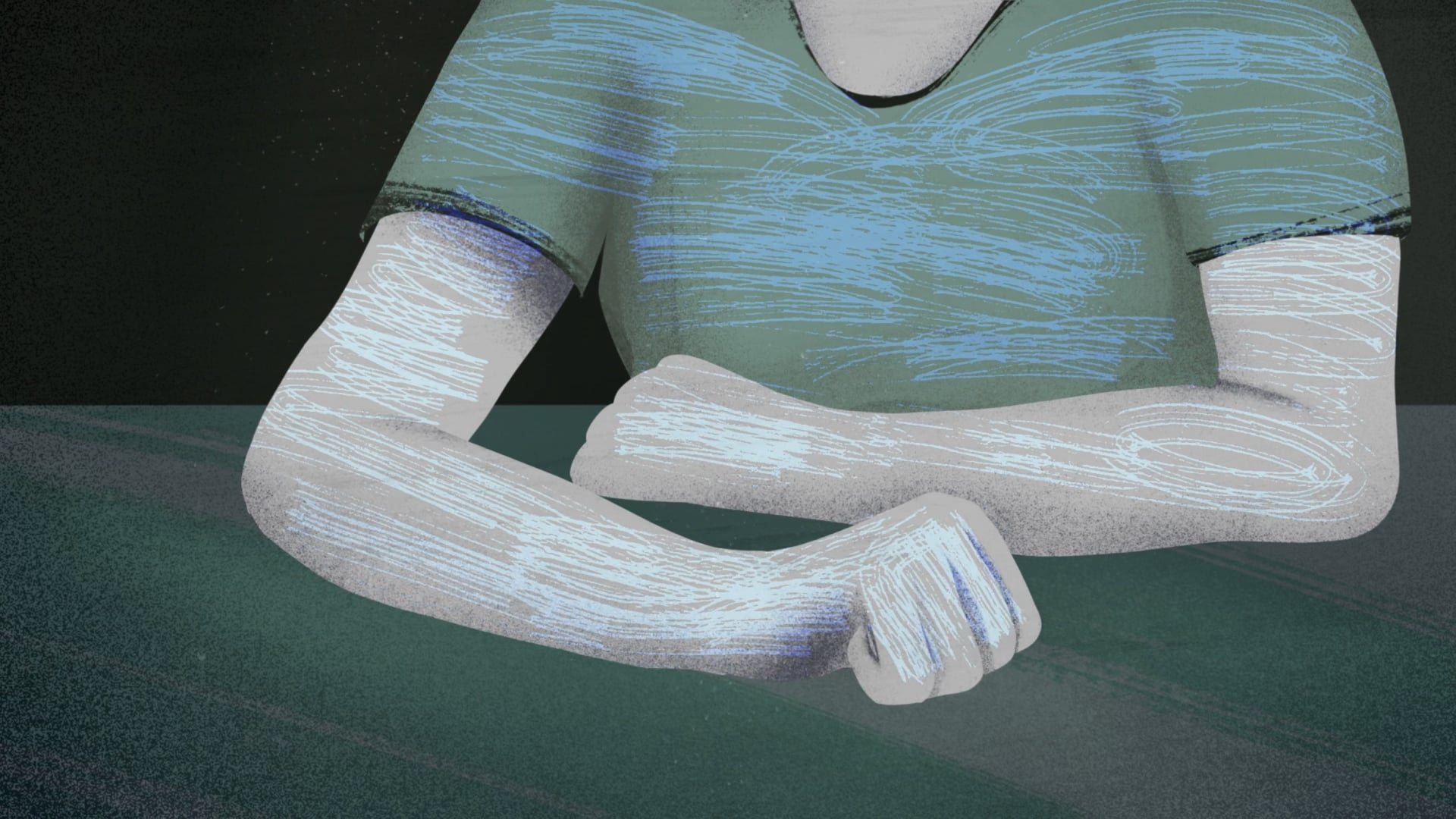

One emotional modulation strategy that I will use with some clients, not all but some, is relaxation techniques. And the most straightforward of these is progressive muscle relaxation in which we encourage the client to tense up certain muscle groups by squeezing them and then relax them. And then do the same thing with another muscle group, tense it and relax it. And do that all the way through the body head to toe. Now what this does is it brings down the level of physiological arousal, it slows the heart rate down, it allows the person to become a little bit more focused and gets them off of that anxious pattern of thinking that they're on.
Another emotion modulation strategy that you could use is guided imagery. Using imagery as a way of producing relaxing mental pictures that might help the client to calm down like imagining that you're lying on a beach somewhere. Now I would be cautious about the use of guided imagery in PTSD. It's not for everybody. Especially if the client is using that imagery as an escape or safety behavior.
If the client is trying to imagine themselves on a beach as a way of not thinking about their trauma, well then I don't want to give them that other escape route. So I really want them to focus on the traumatic event and I want them to focus on the things that are scary. But again, for some clients who are severely dysregulated it may make some sense to teach them these strategies in advance. There are some other emotion modulation strategies that are borrowed from dialectical behavior therapy that I think can be applicable to the treatment of PTSD.
Things like going and taking a bath when you feel emotionally aroused, splashing some water on your face, or going for a walk, or doing something pleasant. All of those are strategies for teaching the client how to reduce their level of emotional arousal, which puts them in a better frame of mind and allows them to do the exposure and cognitive work that we think is so central to the treatment of PTSD.