EMDR for Complex Trauma
Join Deborah Korn for this practical and compassionate training on working with complex trauma using the EMDR protocol, designed to help your clients heal from deep, long-standing wounds.



Unfortunately, many of our adult clients report histories of prolonged or repeated exposure to interpersonal abuse and neglect. Their traumas occurred at particularly vulnerable developmental stages, often beginning in infancy or early childhood, compromising both their physical and psychological maturation. Typically, it involved both direct harm or attack as well as deprivation or abandonment by those who were supposed to be protective, validating, and consistently loving.
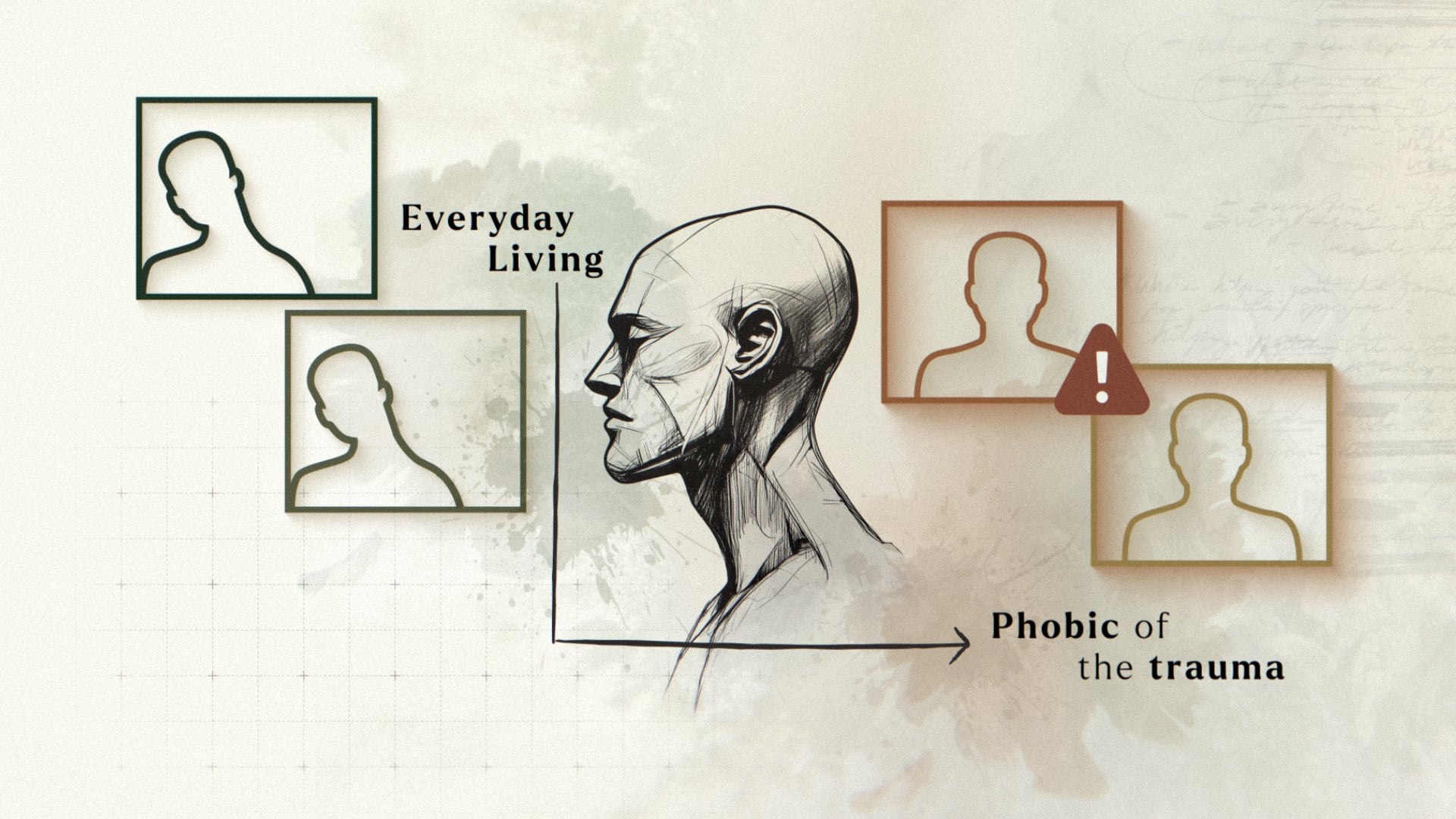
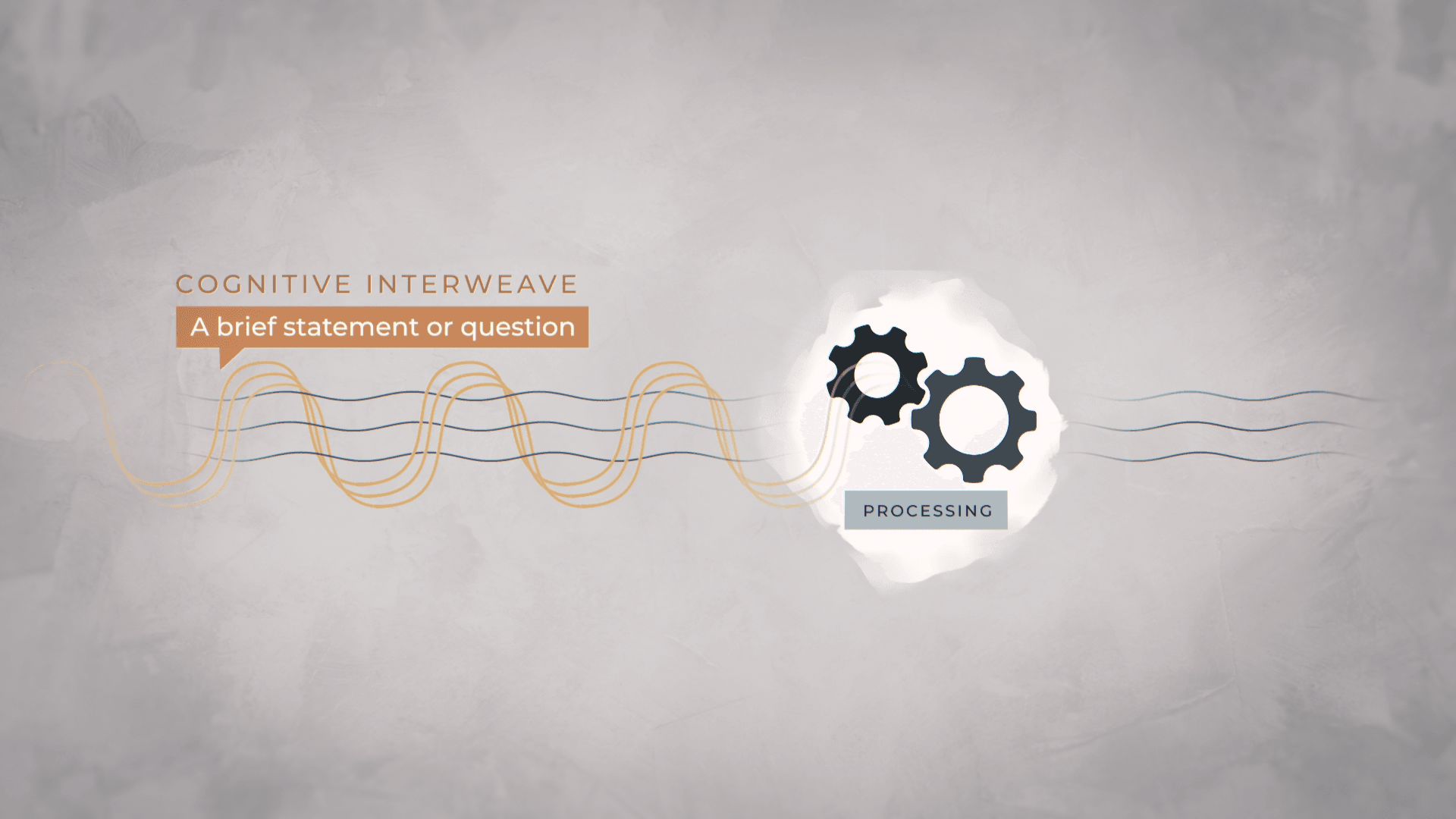
Survivors often present for treatment with affect and relational phobias, rigid defenses and avoidance patterns, high levels of dissociation, and an inability to access important internal resources. Meeting these clients with hope and confidence requires an advanced understanding of how and when to adapt and supplement standard EMDR protocols. “Staying out of the way” is usually not an option when clients need significant relational support, assistance with emotional and somatic regulation, and active interweaves to facilitate effective processing.
In this advanced course, EMDR expert Deborah Korn, from Francine Shapiro’s EMDR Institute, will help you apply multiple “conceptual maps” in assessing clinical needs and making moment-to-moment decisions with complex trauma clients. Although this course addresses relevant issues related to all 8 phases of EMDR therapy, it primarily focuses on the importance of comprehensive case conceptualization and treatment planning AND the therapist’s role in facilitating and deepening reprocessing. Significant time will be devoted to identifying common blocking beliefs and demonstrating different types of interweaves, each with its own function and goal. Finally, there will be an emphasis on moving beyond symptom reduction to developmental repair, post-traumatic growth, and increased resilience.
Interested in joining this course?
Register your interest today and receive an exclusive discount when enrollments open.
Register your interest to receive an exclusive discount when this course launches
This course is taught by Deborah Korn, internationally renowned EMDR teacher, facilitator, consultant, and author, known for her work treating survivors of complex trauma, particularly those who endured abuse and neglect in childhood.
Dr. Korn has been training therapists and consulting as a faculty member of the EMDR Institute for over 30 years. She is also part of the training faculty at Bessel van der Kolk’s Trauma Research Foundation.
This course features her accessible and well-organized instruction, therapy demonstrations, and practical strategies for applying EMDR with challenging complex trauma cases. It also includes rare archival footage of EMDR founder Francine Shapiro, together with insights from other leading EMDR experts, offering a rich and integrative approach to treating complex trauma survivors.

By the end of this course, you’ll be able to:
Describe how complex trauma differs from other forms of trauma
Identify the kinds of symptoms and difficulties most associated with a history of complex trauma
Consider different ways to approach history-taking and the sequencing of targets with complex trauma survivors
Decide whether a client needs to focus on preparation/stabilization before approaching more in-depth history-taking
Bring a culturally aware, anti-oppressive, intersectional approach to history-taking
Use a range of “conceptual maps” to help with case formulation, moment-to-moment client tracking, and decision-making
Delineate the focus of each of the 8 Phases of EMDR treatment and some special considerations related to treating highly dysregulated complex trauma clients
Describe how to move from a solid case conceptualization to a comprehensive EMDR treatment plan
Recognize the trauma-related phobias and blocking beliefs commonly exhibited or expressed by complex trauma survivors
Maximize the use of Resource Development and Installation (RDI) in preparing complex trauma clients for effective EMDR trauma processing
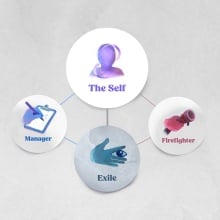
Discuss how to recognize and respond to different attachment styles, ego state conflicts, and defensive patterns
Describe how different kinds of interweaves can be used to address potential blocks to processing during the Desensitization Phase of EMDR treatment
Provide examples of how interweaves can be used to address developmental repair and blocked adaptive action tendencies

This six-week course combines expert instruction, clinical demonstrations, and real-world strategies to deepen your EMDR practice with complex trauma. It offers:
Beautifully produced video lessons that guide you through history-taking and case conceptualization and the application of a wide range of EMDR interweave strategies
Therapy demonstrations and case examples showing how to apply EMDR interventions with clients who present with significant dysregulation and dissociation, a range of defenses, debilitating shame, and different attachment styles
Expert interviews exploring key topics such as adapting the EMDR standard protocol to meet the needs of complex trauma clients, resourcing, and applications of the three-pronged protocol.
Downloadable tools and handouts to support practical application in your sessions