Unified Protocol for Emotional Disorders
Target the emotional processes that underlie anxiety, depression, and a wide range of clinical presentations.

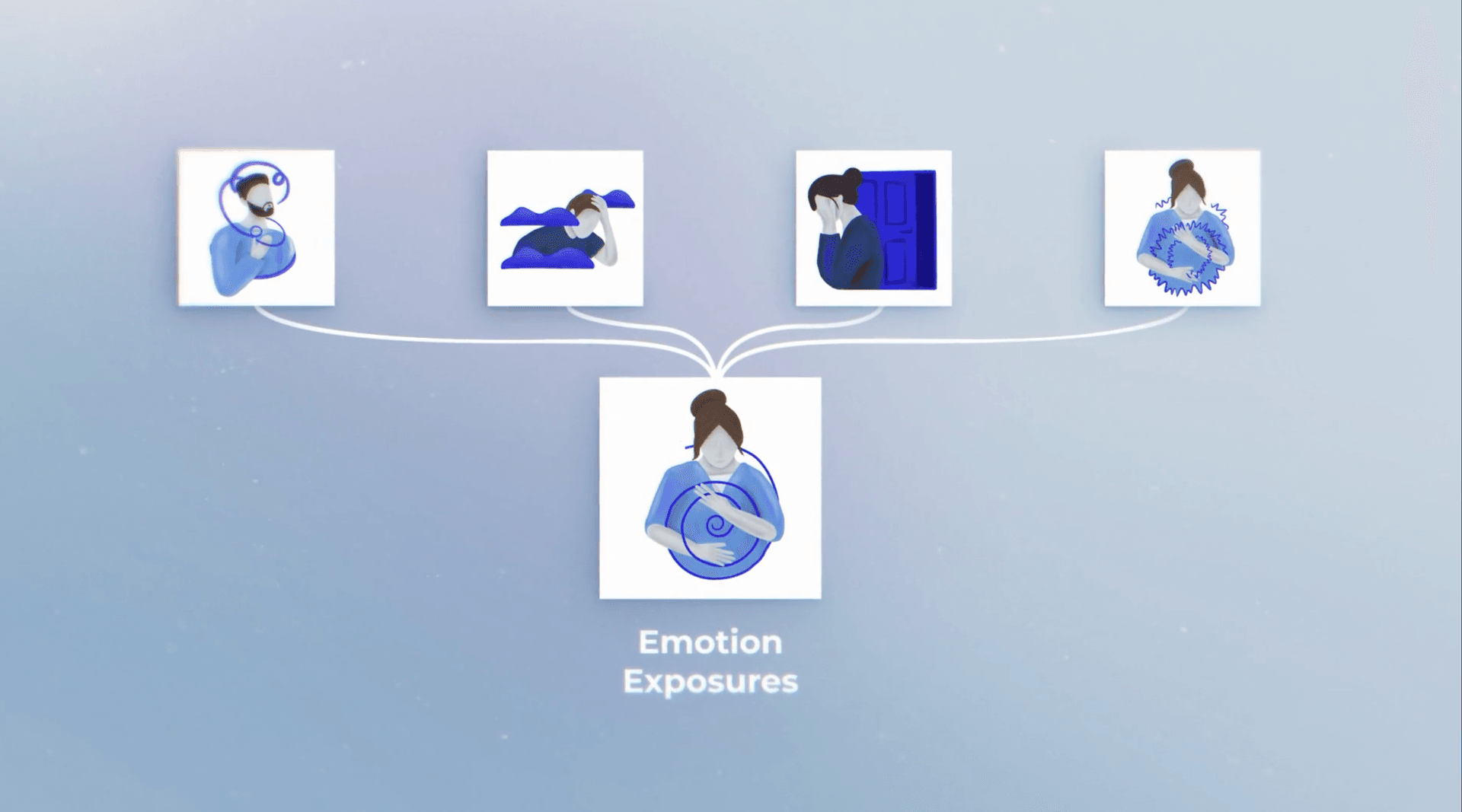
What if anxiety, depression, panic, obsessive thinking, and many other conditions have more in common than they first appear?
Many clients present with overlapping difficulties that do not fit neatly within a single diagnosis. Anxiety and depression frequently occur together, alongside panic, obsessive thinking, insomnia, chronic pain, and substance use, making it difficult to know where to begin and what to prioritise in treatment.
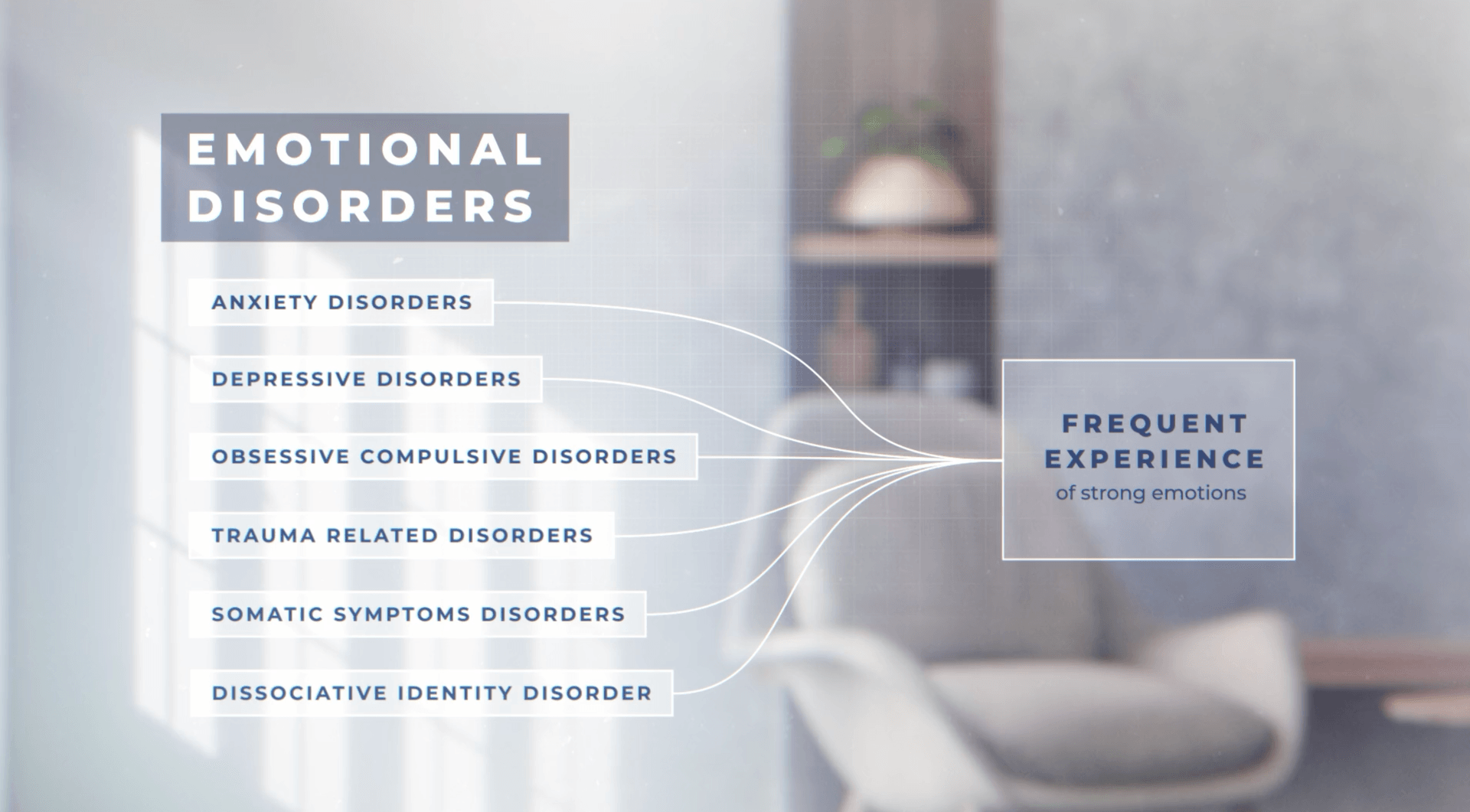
The Unified Protocol helps therapists make sense of this complexity by focusing on the emotional processes that underlie these presentations. For many clients, these processes centre on their relationship with emotion. They may experience emotions intensely, struggle with how they relate to those emotions, and become caught in patterns of avoidance that keep distress going.
Rather than requiring therapists to learn a different treatment protocol for every diagnosis, the Unified Protocol provides a single evidence-based framework for helping clients develop a more flexible relationship with their emotions.
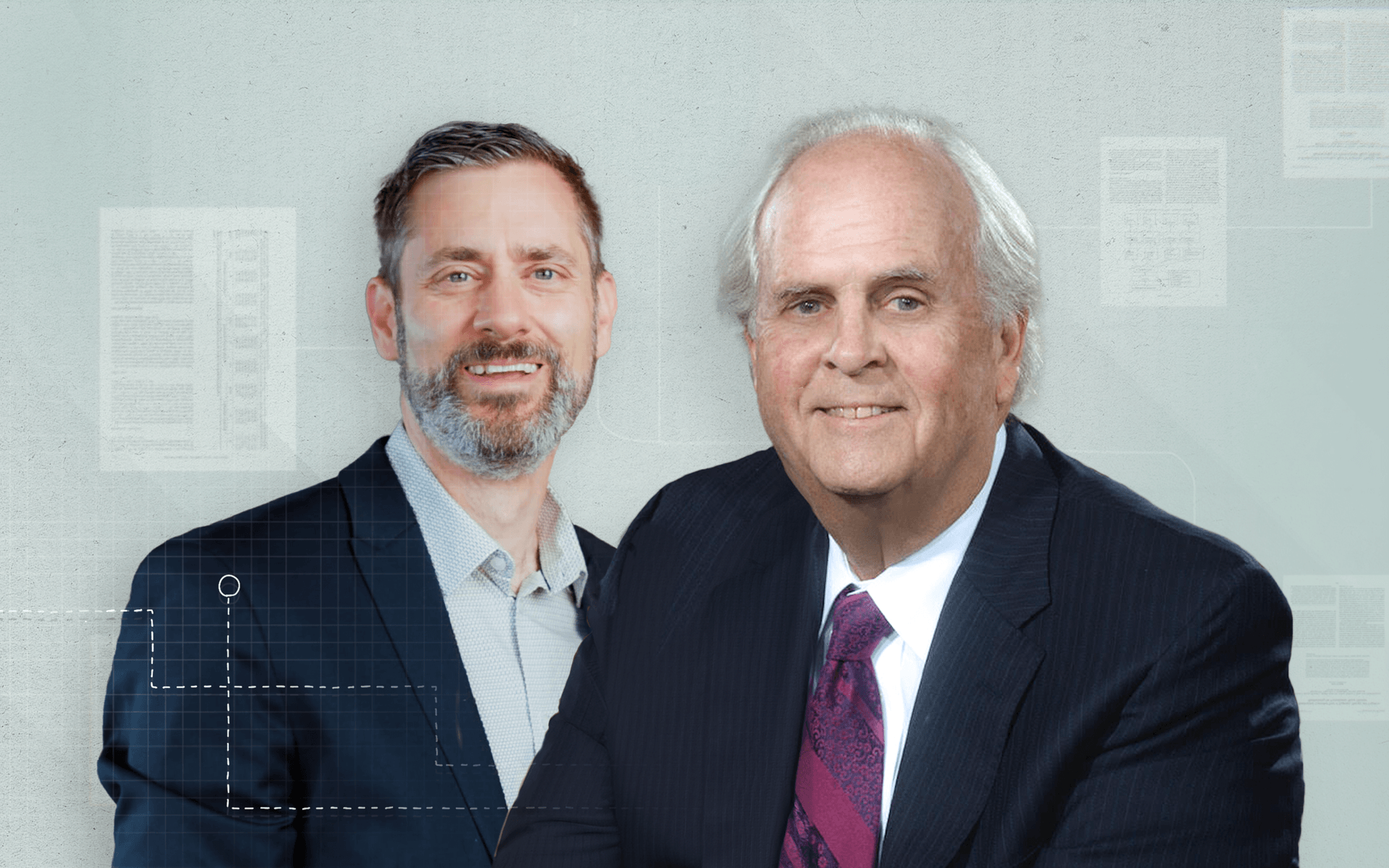
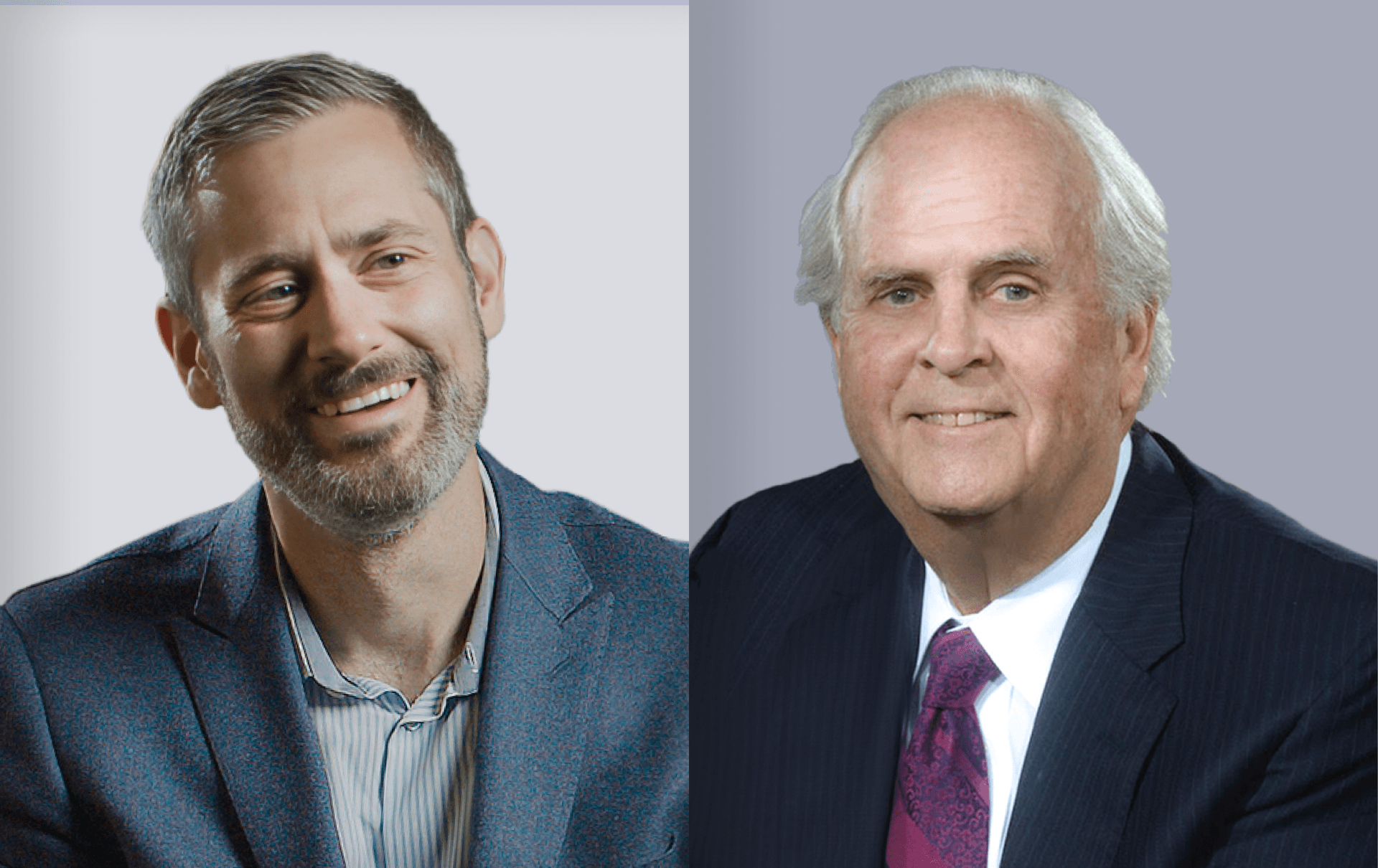
David Barlow is the developer of the Unified Protocol and one of the most influential figures in the development of modern Cognitive Behavioral Therapy. As founder of the Center for Anxiety and Related Disorders at Boston University, his research has shaped the understanding and treatment of anxiety, mood, and related emotional disorders for more than four decades.
Todd Farchione is co-author of the Unified Protocol treatment manuals, Research Professor in the Department of Psychological and Brain Sciences at Boston University, and Director of the Intensive Treatment Program at the Center for Anxiety and Related Disorders. He has spent many years researching, teaching, and applying the Unified Protocol and brings deep expertise in its clinical application.
Together, they bring decades of experience developing, researching, and teaching the Unified Protocol.
Dr Farchione is also available throughout the course forum to answer questions and provide guidance as you work through the material.

The Unified Protocol is best understood through application. Rather than learning concepts in isolation, you'll see how experienced clinicians apply the model across a range of client presentations through therapy demonstrations, clinical examples, practical exercises, and guidance from David Barlow and Todd Farchione.
You'll see how the Unified Protocol is used to assess clients, develop case formulations, teach skills, and guide emotional exposure throughout treatment.
Understand the emotional processes that contribute to anxiety, depression, and related emotional disorders
Develop transdiagnostic case formulations that focus on emotional functioning rather than diagnostic categories alone
Identify patterns of emotional avoidance and emotion-driven behaviours that maintain distress
Help clients build emotional awareness and respond more flexibly to difficult emotions
Apply the core treatment modules of the Unified Protocol, including mindful emotional awareness, cognitive flexibility, behavioural change, interoceptive exposure, and emotion exposure
Use a single evidence-based framework to treat co-occurring emotional disorders
Apply the Unified Protocol across a range of emotional disorders and clinical presentations
Confidently implement the Unified Protocol using practical strategies, worksheets, and therapy demonstrations drawn from real clinical practice
Whether you are new to CBT or looking to expand your existing CBT skills, this course will help you develop confidence applying the Unified Protocol across a range of emotional disorders and co-occurring presentations.

You'll learn through:
A structured six-week learning journey that builds understanding and skills step-by-step
Therapy demonstrations that follow clients through assessment, case conceptualisation, and treatment
Downloadable worksheets and resources designed to support clinical implementation
Direct access to Todd Farchione through the course forum, where you can ask questions and discuss challenges that arise in practice
Flexible online learning that allows you to study at your own pace
This course is suitable for psychologists, therapists, counsellors, social workers, mental health professionals, health professionals, and coaches who want a practical framework for working across anxiety, depression, and related emotional disorders.
It is also valuable for health services, clinics, and training programs seeking a shared treatment framework that can be applied across a wide range of emotional disorders and co-occurring presentations.
Enrollments
We're happy to help if you can't attend the current intake. Once your purchase is complete, contact our customer service team and we can enrol you in a future intake.
If you need an invoice, please fill out the form here.

Introduction to the course
The development of the Unified Protocol
Transdiagnostic approaches and targets
Nature of emotional disorders
Basic principles underlying treatment
Assessment and case conceptualization
Summary and quiz
Introduction to the week
Motivational enhancement
Understanding emotion and building emotional awareness
The three component model of emotion
ARC and tracking emotions
Quiz questions
Introduction to the week
Mindful emotion awareness
Cognitive flexibility
Quiz questions
Introduction to the week
Emotion avoidance
Emotion-driven behaviors
Interoceptive exposure
Symptom induction exercise
Summary and quiz questions
What is exposure?
Emotion exposure
Blocks and barriers
Quiz questions
Relapse prevention
Evaluation and lack of progress
Review of key concepts
Ending treatment
Summary and quiz questions
Elena BildPsychologist - Brisbane QLD, AustraliaI learned a lot, I really like the content, and I like that we've followed specific patients through their therapy journey. I enjoyed most the therapy, the patient examples, the good explanation, and the resources.
Roger DavisSocial Worker - Monterey, CA, USAThe information is concise and well-developed. I enjoyed most the conceptualization paradigm within the UP. Also, It is a great generalist approach, and worth learning.
Irismar Reis de OliveiraPsychiatrist - Salvador, Bahia, BrazilIt's practical and high quality. I like the combination of theoretical aspects provided by Dr. Barlow and the practical demonstrations provided by Todd.
Audrey RadenLicensed Professional Counselor - Buffalo Grove, Illinois, USAI find the UP very compelling and I have high hopes for its usefulness. The UP pulls from some of the things I find most useful with clients and knits them together in a logical and useful way. It also deepens how I have been using these tools. I am so excited to be able to begin this with clients, and as I teach them about it, they are also indicating an eagerness to begin. This course is very much worth it.
Pedro RosaPsychiatrist - São Paulo, SP, BrazilIt is a great course on the topic and it has several good therapy examples that help see how the job is actually done. Also, I enjoyed the clinical examples.
Diana Mejia CruzPsychologist - Sonora, MexicoReally practical, and with a lot of information. You can learn and practice a lot about emotion exposure, and the course is amazing.
Unified Protocol for Emotional Disorders is designed for mental health professionals, health professionals and coaches worldwide. On completion you'll receive an official certificate of completion, which can be submitted to registration bodies for CPD.
This course is accredited for 12 CE/CME credit hours for US licensed professionals:
Psychologists - 12 CE hours, APA - co-sponsored with Amedco, an APA-approved sponsor
Social workers - 12 general CE credits, ASWB ACE
Physicians - 12 AMA PRA Category 1 Credits™, ACCME
Nurses - 12 contact hours, ANCC
Counselors, MFTs & addiction professionals - 12 hours, accepted by most US state boards via APA and ASWB ACE credit - see the state-by-state list
Approved CE activity with the New York State boards for Psychology, Social Work, Mental Health Counseling, and Marriage & Family Therapy.
View the full learner notification for this course (PDF) — includes complete accreditation statements, state board acceptance lists, learning objectives and faculty disclosures.

The Unified Protocol (UP) is an evidence-based Cognitive Behavioral Therapy (CBT) approach designed to treat anxiety, depression, and related emotional disorders using a single treatment framework. Unlike diagnosis-specific CBT protocols that target a particular disorder, the UP focuses on shared underlying processes, including frequent and intense negative emotions, negative reactions to emotions, and emotional avoidance.
By targeting these common mechanisms, clinicians can use one framework to treat a wide range of emotional disorders.
The founder of Unified Protocol, David Barlow, explains more in this Q&A Working with the Unified Protocol.
Clients often present with more than one diagnosis, such as anxiety and depression, or panic and obsessive thinking. The Unified Protocol helps clinicians move beyond deciding which disorder to treat first by focusing on the emotional processes that underlie distress across presentations. Through transdiagnostic case formulation and treatment, therapists can address shared maintaining factors within a single evidence-based framework.
No. While the Unified Protocol is grounded in Cognitive Behavioral Therapy (CBT), prior CBT training is not required to benefit from this course.
The course provides a structured introduction to the model, including its theoretical foundations, core treatment modules, and clinical application. Clinicians with existing CBT experience will recognise many familiar principles and techniques, while those newer to CBT will gain a practical introduction to an evidence-based approach for treating emotional disorders.
Research suggests that the Unified Protocol is as effective as leading disorder-specific CBT treatments for a range of anxiety disorders, including panic disorder, generalised anxiety disorder, obsessive-compulsive disorder, and social anxiety disorder. In a large randomised clinical trial, outcomes for the Unified Protocol were comparable to diagnosis-specific treatments, with lower dropout rates observed among participants receiving the Unified Protocol.
By targeting shared underlying processes, the approach offers clinicians a flexible framework for working with co-occurring emotional disorders and presentations that extend beyond a single diagnosis.
Reference: Barlow DH et al. (2017). The Unified Protocol for Transdiagnostic Treatment of Emotional Disorders Compared With Diagnosis-Specific Protocols for Anxiety Disorders: A Randomized Clinical Trial. JAMA Psychiatry, 74(9), 875–884.
The Unified Protocol shares some similarities with approaches such as Acceptance and Commitment Therapy (ACT) and Dialectical Behavior Therapy (DBT). All three approaches emphasise emotional experience, mindfulness, reducing avoidance, and helping clients respond more effectively to difficult emotions.
The Unified Protocol is distinct in that it was developed specifically as a transdiagnostic treatment for anxiety, depression, and related emotional disorders. Drawing on cognitive behavioral and exposure-based principles, it focuses on the emotional processes that many disorders have in common and provides a structured framework that can be applied across a wide range of presentations.
Many clinicians find that the Unified Protocol complements existing CBT, ACT, and DBT skills by offering a coherent framework for understanding emotional disorders and targeting the emotional processes that maintain distress.
This course offers a downloadable Certificate of Completion you can use to show your professional development boards. CE/CME credits are also available for completing this course - please check the learner notification to view the relevant accrediting bodies.