ACT for Beginners
Join Dr Russ Harris in this absorbing six-week course, and learn how to help your clients reduce suffering and build meaningful lives with Acceptance & Commitment Therapy.
Join Dr Russ Harris in this absorbing six-week course, and learn how to help your clients reduce suffering and build meaningful lives with Acceptance & Commitment Therapy.

Do you ever feel frustrated, stuck, or overwhelmed, trying to support your clients in the face of their problems and suffering? Acceptance and Commitment Therapy (ACT) offers a creative, compassionate, mindfulness-based approach, to help your clients break free from their struggles, be kinder to themselves, and move forwards with their lives, guided by core values.
Join world-renowned ACT trainer Russ Harris as he brings Acceptance and Commitment Therapy to life in this interactive, online course. Russ will guide you step-by-step through the ACT model with humour and clarity, turning complex ideas into practical skills you can use in session.
Dr Russ Harris, the world’s most popular ACT trainer, makes ACT simple: easy to understand, straightforward to apply, in a format that's fun, engaging and inspiring.
Russ is the author of ACT Made Simple, the world’s best-selling textbook on the ACT model. A physician, psychotherapist, and world-leading authority on ACT, Russ is also a consultant to the World Health Organization. Although he’s written numerous books on ACT, the best known is The Happiness Trap, which has sold over 1.5 million copies.
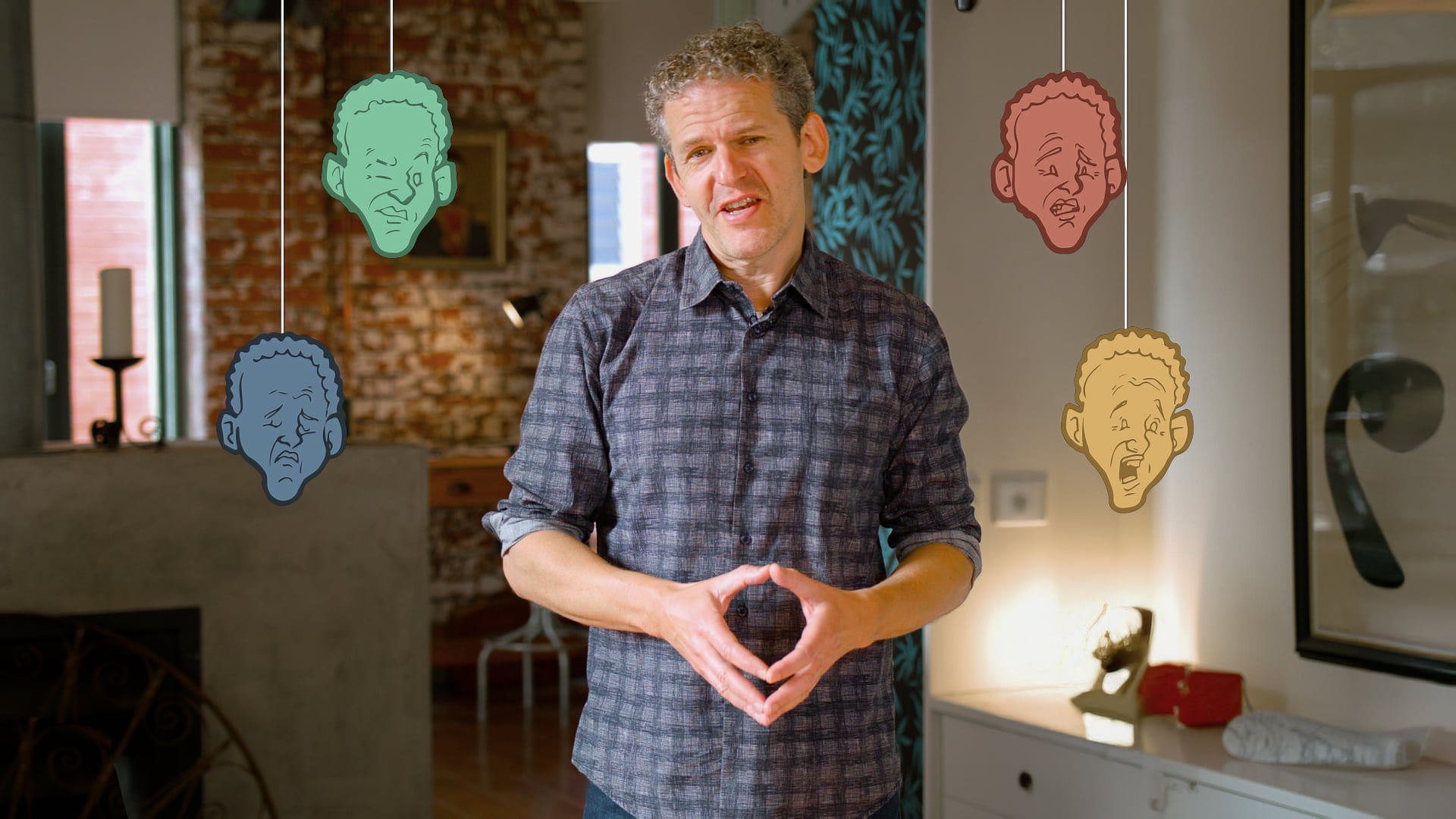
Russ’s intensely practical program gives you complete flexibility to learn the art of ACT, whenever it suits you. You can zip through the whole training in just six weeks - or go more slowly, learn in depth, and let it sink in over months.
The course also includes a whole warehouse of powerful resources you simply won’t find anywhere else:
beautifully crafted video lessons,
humorous animations,
dynamic therapy sessions,
inspiring audio recordings,
uplifting eBooks,
and a stack of useful client handouts.
And you can ask questions, share experiences, and obtain feedback and support directly from Russ Harris, via our interactive forum.

This entire course has been carefully designed with our professional learners in mind, to ensure that you gain a comprehensive and practical grounding in the theory of ACT, which you can immediately put into practice with your clients or patients. You’ll learn how to:
Build authentic, compassionate, supportive therapeutic relationships
Interrupt and undermine rumination, worrying and obsessing
Foster a deep, genuine connection with values, for motivation, inspiration, and fulfilment
Shift from self-judgment to self-compassion (even when clients claim they ‘don’t deserve it’)
Take the power out of difficult thoughts, beliefs, rules, and judgments - without ever needing to challenge or dispute them
Take the power out of difficult feelings, emotions, urges and memories – without any attempt to escape, avoid, distract, or suppress.
Set clients free from inertia, indecision and hopelessness
Teach the art of ‘mindfulness on the go’: easy-to-do practices to focus and engage without meditation
Enable clients to access a transcendent sense of self
Dissolve procrastination and overcome barriers to change
Apply ACT effectively with a wide variety of clinical problems
‘Dance’ flexibly between core ACT processes in session, creatively adapting them as you go
Apply ACT to yourself, on your own stresses and struggles, to prevent burnout and make your work fulfilling. This not only gives you confidence in the model, but also authenticity with your clients!
For the first six weeks of course access, you’ll get 2-3 hours of new content each week (sixteen hours in total). And for the first twelve weeks, you can directly interact with Russ, via the forum - asking questions, sharing breakthroughs, getting feedback and support.
This course is suitable for therapists, counsellors, doctors, nurses, psychologists, social workers, coaches, and any other health professional. You can do it at any point in your career, whether you’re just starting out or highly experienced. You’ll learn the basics of ACT, in a fluid and flexible way, so you can use it as a stand-alone model, or combine it with other models you’ve trained in.
If you're new to ACT, explore our free expert insight, What is Acceptance and Commitment Therapy (ACT)?, where Dr Russ Harris explains the fundamentals of the approach.
Enrollments
We're happy to help if you can't attend the current intake. Once your purchase is complete, contact our customer service team and we can enrol you in a future intake.
If you need an invoice, please fill out the form here.


We begin by introducing how this course works and what you can expect.

This module gives some vital contextual & background information on ACT.

We explore why it's hard to be happy, looking at the inevitability of pain and the challenges of caring.
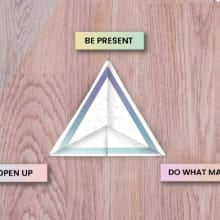
We dive into the ACT 'Hexaflex' and 'Triflex'.

This module explores the core pathological processes in ACT, or what we like to call the 'Anti-Hexaflex'.
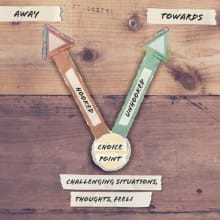
We investigate the 'choice point,' exploring key point & examples to guide your clients.

This module focuses on the therapeutic relationship and its vital role as an ACT therapist.

This practical module gives tips and tricks when setting up a session.

This highly demonstrative module focuses on how to take a history in a session.

We delve into establishing behavorial goals with your clients.

This module focuses on mindfulness and contacting the present moment.

This bonus module includes further therapy demonstrations and useful research.
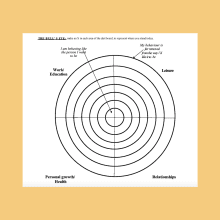
This highly practical module includes some reading & homework tasks to apply in your week with your clients.

Quiz questions & conclusion

We begin this week by exploring the concept 'I just want to be happy' and how we can guide our clients through this thought process.
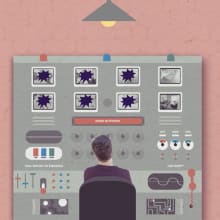
We continue and delve into psycho-education about control, and investigate what's in our control.

This module focuses on the theory behind 'creative hopelessness.'
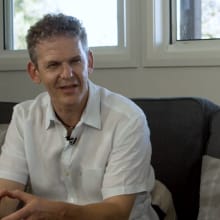
A practical module which demonstrates dealing with creative hopelessness in session.

We explore 'dropping the struggle' in this module.

This highly practical module delves into dropping anchor, giving practical exercises and demonstrations of this technique.

Some practical tips and tricks when giving homework to clients.

This module explores therapy sessions when things go wrong, covering ways to manage these difficult sessions.

Some bonus content for you including more therapy demonstrations and exercises.
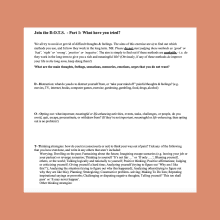
This module contains exercises to try throughout the week on your own and with your clients.
Quiz questions and conclusion
We begin week 3 by looking at cognitive fusion and defusion.

This module delves into the first steps of defusion.

We continue to look at defusion, going further with how to guide clients through this process.

This module tackles the concept of creative hopelessness with thoughts.

We explore some practical ideas to deal with clients who argue 'but it's true!'

This module explores playful defusion, with practical demonstrations and theory to ground your understanding.
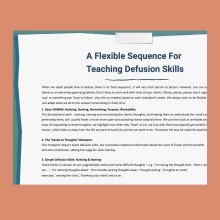
We consolidate our understanding of common defusion techniques in this module.

This module explores mediative defusion, giving practical tips to set up the exercises.
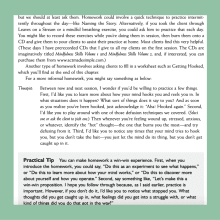
This module covers setting homework tasks for clients around defusion.

A bonus module for you packed with exercises, more tips and tricks.
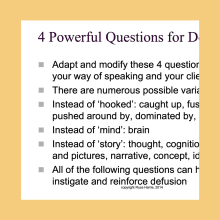
Weekly tasks and challenges to tackle during the week with your clients.
Quiz questions and week conclusion

This week begins by introducing values.

We dive into the difference between goals and values.

Self-practice is the focus of this module where we explore our own values

We look at how to elicit values from our clients.

This module gives keys and ideas for values homework.

Highly practical demonstrations are featured as we learn by example in this module.
We investigate what committed action is in this module.

This module covers overcoming barriers in both ourselves and with our clients.

The focus of this module is dealing with challenging situations and includes practical tips to guide.

We dive into the nuts and bolts of goal-setting.

This bonus module includes therapy demonstrations and more insights on values.

This module has assignments and further readings for the week.
Quiz questions and conclusion

We begin this week by looking at acceptance and avoidance.

This module explores dropping anchor, defusion and acceptance.
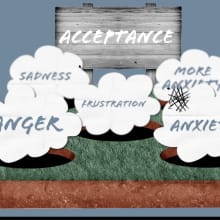
Handy tips and tricks when getting your clients started on their journey of acceptance.

We delve into further acceptance metaphors and techniques to help guide your clients.

We focus on self-compassion in this module, looking at the building blocks of this practice.
Some homework tips and tricks in this module.

This module explores keys for staying on track and re-directing focus.

We look at linking values to pain to foster acceptance.
A bonus module filled with tips and tricks to use with your clients.

Further assignments and readings to enrich your learning.
Quiz questions and conclusion

We begin this week by exploring what is the self-as-context.

We delve deeper into the self-as-context, and how to make this explicit with clients.

We continue and explore self-as-context metaphors

We dive into the conceptualised self and the function of self-concept.

We build on our understanding with self-as-context exercises.

A practical module with demonstrations of self-as-context interventions.
We delve into client confusion with practical tips and tricks to help guide clients in session.

We focus on mindful savoring and appreciating.

This module delves into using ACT flexibly.

We take a pause and focus on therapist self-care.

We bring it all together in this conclusion.

Further readings, assignments and important messages to enrich your learning.
A bonus module packed with enriching content and therapy demonstrations.
Quiz questions and finishing comments.
Ian Guyah-LowPsychologist - Toddington, United KingdomIt is broken down really well to understand each element in easily manageable chunks so you can really see how the model comes together and how to apply it in your day to day practice. This is a skill Russ has to really make things laser-focused in an easily digestible way.
Wallis RoseOccupational Clinical Psychologist - New ZealandI love the simplicity and ease of using ACT. I love Russ's presentation of the skills and theories which makes it fun.
Carsten J. GrimmPsychologist - New ZealandThe best value online course I have ever taken.
Vinayak DevPsychologist - Auckland, New ZealandThe range of topics, easy-to-follow instructions, role-play videos, handouts and recordings for use with patients, and Russ' sense of humor.
Pete SteelePsychologist - Melbourne VIC, AustraliaThe demonstrations of the ACT concepts makes learning the material much easier. Also great to be able to repeatedly watch videos of trickier concepts or rewatch to troubleshoot after practicing with a client and having it go awry.
NghiaPsychologist - NSW, AustraliaFantastic course for beginners. Videos and material made it easy and fun to learn. The most important part is the application of the course into daily life, whether it be for therapy or on yourself. It's been a very enjoyable ride to learn ACT for beginners.
ACT for Beginners is designed for mental health professionals, health professionals and coaches worldwide. On completion you'll receive an official certificate of completion, which can be submitted to registration bodies for CPD.
This course is accredited for 16 CE/CME credit hours for US licensed professionals:
Psychologists - 16 CE hours, APA — co-sponsored with Amedco, an APA-approved sponsor
Social workers - 16 general CE credits, ASWB ACE
Physicians - 16 AMA PRA Category 1 Credits™, ACCME
Nurses - 16 contact hours, ANCC
Counselors, MFTs & addiction professionals - 16 hours, accepted by most US state boards via APA and ASWB ACE credit - see the state-by-state list
Approved CE activity with the New York State boards for Psychology, Social Work, Mental Health Counseling, and Marriage & Family Therapy.
View the full learner notification for this course (PDF) - includes complete accreditation statements, state board acceptance lists, learning objectives and faculty disclosures.

The course contains many audio and text materials, from recordings of experiential exercises to eBooks on important topics. You can keep all of these materials – and you can freely share all the handouts, worksheets, and audios with your clients. For the video materials, you will have one year of unlimited access.
Definitely. This course teaches you foundational ACT principles in a way that’s clear, practical, and easy to apply. You’ll learn from the ground up, not just what ACT is and why it works, but also what to do in session, and how to modify and adapt if things don’t go as expected.
Absolutely! For two main reasons:
a) Mindfulness is only one aspect of ACT. Other important parts of the model include self-compassion, values, cognitive flexibility, emotional flexibility, behavioural flexibility, motivation, working with function and context, and so much more.
b) ACT gives you many practical tools and techniques for ‘mindfulness on the go’ – simple ways to unhook from difficult thoughts, make room for painful emotions, focus attention on what’s important – that you’re unlikely to find in other mindfulness-based trainings.
Good question. Here’s Russ in his own words:
“This course is radically different to my books in the same way that a travel brochure differs from a holiday, or a recipe differs from a meal: reading the words doesn’t even come close to living the experience.
It's also different to my in-person workshops in two major ways:
a) it’s far more in-depth and immersive – because of the many videos of therapy sessions, the multimedia learning format, and the copious bonus materials,
b) you have my ongoing guidance on a daily basis for twelve weeks. Yes, no virtual assistants or chatbots - every day, you can ask me questions and get my direct feedback.”
This course offers a downloadable Certificate of Completion you can use to show your professional development boards. CE/CME credits are also available for completing this course - please check the learner notification to view the relevant accrediting bodies.