EMDR for Complicated Grief
Support clients through grief, mourning, and traumatic loss with this advanced, online EMDR training.

Grief often brings clients to therapy when the weight of loss becomes too difficult to carry. While mourning is a natural process, it can be disrupted by trauma, unresolved attachment wounds, and emotional overwhelm. Whether the loss involves the death of a loved one, the end of a relationship, or a sudden life change, clients may struggle with guilt, powerlessness, anger, or disconnection that interferes with adapting to their loss and reconnecting with life.
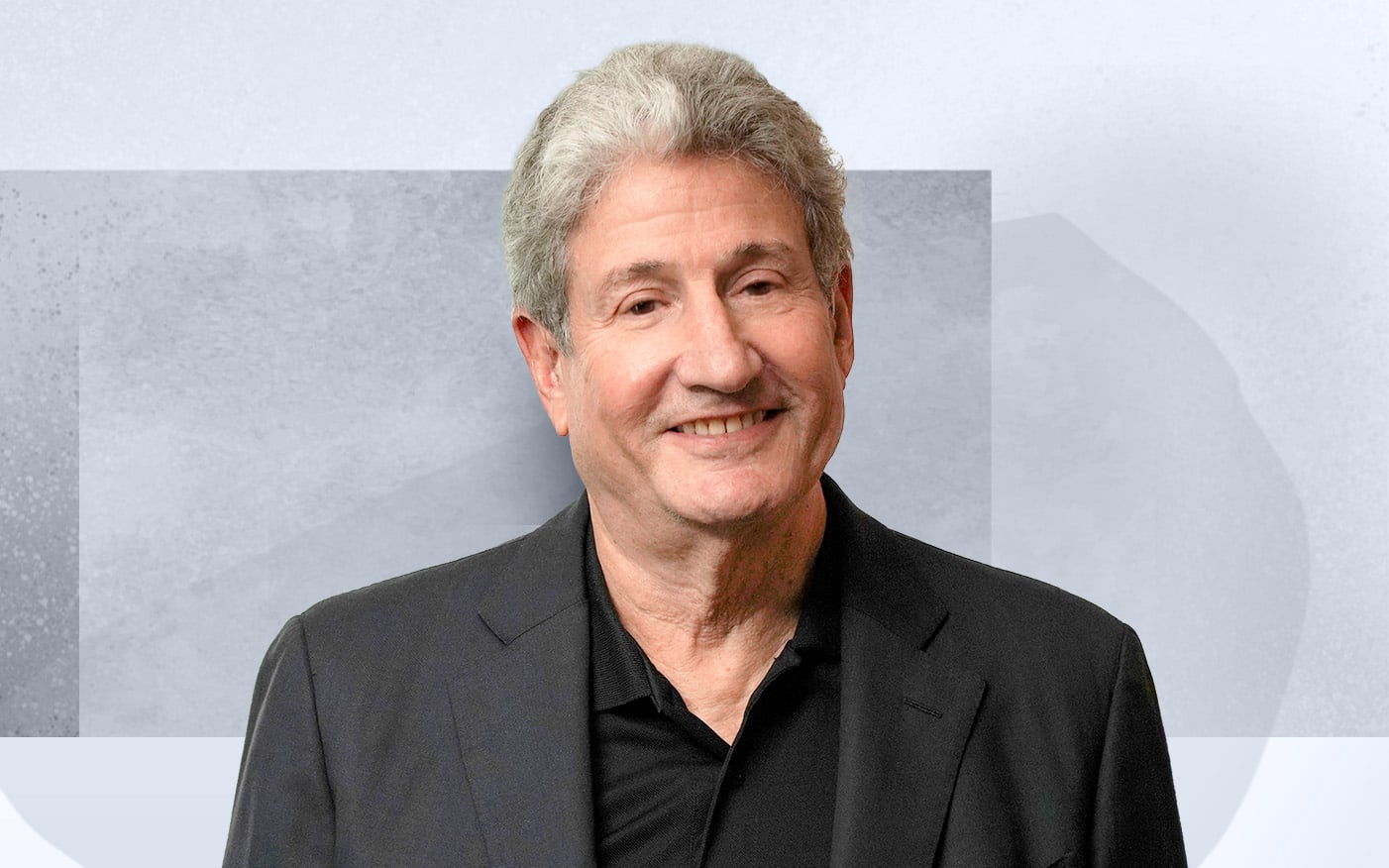
In this advanced course, internationally respected EMDR trainer Dr. Roger Solomon shows you how to use the full EMDR framework to help clients process traumatic loss, access adaptive memory networks, and re-engage with life. You’ll learn how to work with complicated grief, target unresolved developmental trauma, and guide clients toward a more integrated experience of loss - one that honors the past while allowing movement toward the future.
Through in-depth demonstrations, case examples, and practical guidance, you’ll gain clear strategies to assess client readiness, navigate emotional blocks, and tailor EMDR interventions to the unique needs of grieving clients.

This course is taught by Dr. Roger Solomon, internationally recognized EMDR trainer, clinical psychologist, and expert in grief, trauma, and complex bereavement. Dr. Solomon has worked extensively with individuals, families, and communities affected by mass disasters, terrorism, and traumatic loss, including the Oklahoma City bombing, 9/11, and the COVID-19 pandemic.
As a senior faculty member with the EMDR Institute and a long-time collaborator of EMDR founder Francine Shapiro, Dr. Solomon brings decades of clinical expertise and deep compassion to his teaching. His pioneering work integrating EMDR and mourning has helped shape global practice in the treatment of grief-related trauma.
This course also features insights from a distinguished faculty of EMDR experts, along with archival footage of Francine Shapiro, offering a rich and multidimensional perspective on working with grief and loss.

By the end of this course, you’ll be able to:
Use the 8 phases of EMDR therapy to support both uncomplicated and complicated grief
Identify how traumatic loss disrupts the natural mourning process and creates stuck points in memory networks
Apply EMDR strategies to help clients process overwhelming emotions and transform their connection to the deceased
Recognize clinical themes such as responsibility, safety, control, and connection - and use them to guide target selection and reprocessing
Assess how attachment style shapes a client’s grief response, and use EMDR to address unresolved experiences that may be complicating mourning
Identify and reprocess past developmental trauma that contributes to complicated mourning
Use psychoeducation, stabilization techniques, and preparation strategies to support safe and effective processing
Tailor cognitive interweaves and future templates to help clients reconnect with meaning and move forward with life

This self-paced course combines expert instruction, therapy demonstrations, and targeted clinical insights to guide your work with grief and loss.
Video lessons that walk you through every phase of EMDR with grieving clients—covering both theory and practical application
Therapy demonstrations that illustrate EMDR in action across a range of grief presentations, including traumatic loss, attachment-related grief, and complex bereavement
Expert interviews and clinical insights on working with attachment styles, dissociative processes, parts work, and complicated mourning
Structured client scenarios that support clinical decision-making and demonstrate how to tailor interventions across all 8 phases of EMDR
EMDR for Complicated Grief is available to start immediately, with 12 months access and a downloadable library of materials to keep. If you would like to request an invoice, please fill out the form here.


Meet your course presenter Dr. Roger Solomon, and learn the road ahead for your learning journey.

This module addresses some fundamental clinical aspects of understanding grief.

This module provides a brief recap on some of the most crucial elements of the EMDR model.

How do you ensure your client is ready for EMDR therapy?

This module looks at the requirements for EMDR clinicians, and being willing to embark on personal healing journeys.

Quiz questions

Learn the nuances between complicated and uncomplicated grief.

We explore how our base assumptions about the world can significantly intensify our emotional response to loss.

We explore the variables that influence mourning.

We look at attachment-based traumas and mourning.

We explore a range of grief models to build a deeper understanding of the experience of grief.

Quiz questions

Dr. Roger Solomon outlines some key information to listen out for during Phase 1.

We explore clinical themes of grief in this module.

Learn powerful strategies to best prepare your grieving clients for reprocessing in this module.

Psychoeducation and normalization are highlighted as important clinical elements in Phase 2.

Quiz questions

We begin with an introduction to reprocessing, including factors that influence where to start.

We explore Phase 3 which involves activating and identifying target memory and its associated components.

We look at Phase 4 - cognitive interweaves for blocked processing.

Quiz questions

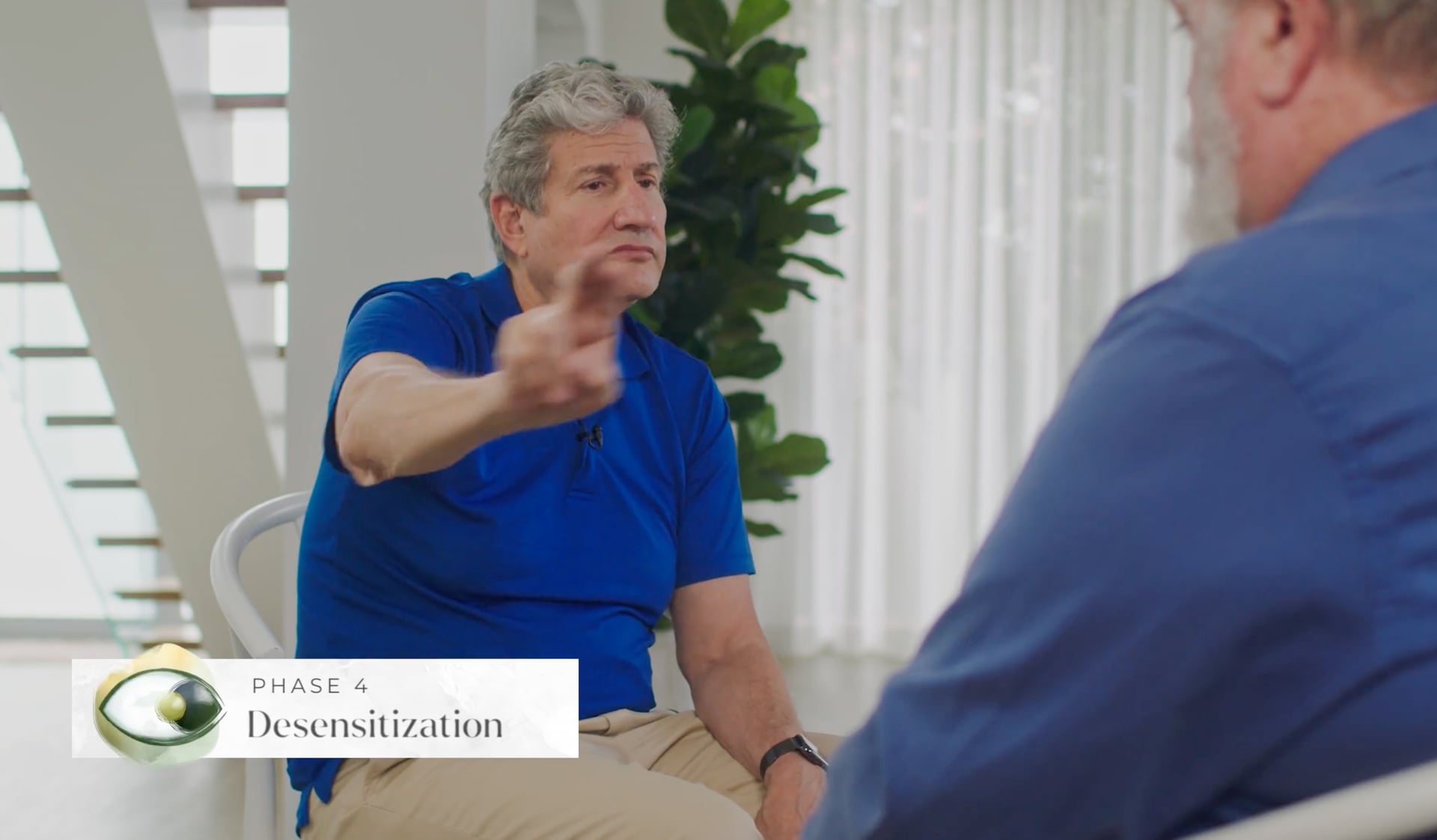
Phase 4 - This module looks at strategies for managing intense or painful responses when re-processing grief.

This module addresses critical decisions around Phases 5 and 6.

This module examines Phase 7 (Closure) and Phase 8 (Reevaluation).

Quiz questions

This module moves through the rest of the EMDR three-pronged protocol

This module addresses complex trauma and its intersection with grief

Final CE survey, quiz and course completion
This EMDR for Complicated Grief training is designed for EMDR trained therapists worldwide. Upon completion, you'll receive an official certificate that may be submitted to relevant registration or licensing bodies for continuing professional development, where applicable.
Participants can earn 12 EMDRIA Points for this training.
12 CE/CME credits are also designated for a range of licensed mental health professions, including:
psychologists, social workers, counsellors,
physicians, nurses,
marriage and family therapists,
addiction professionals.
Acceptance for other professions may vary by board and jurisdiction. View the complete CE/CME accreditation details and board approvals here.