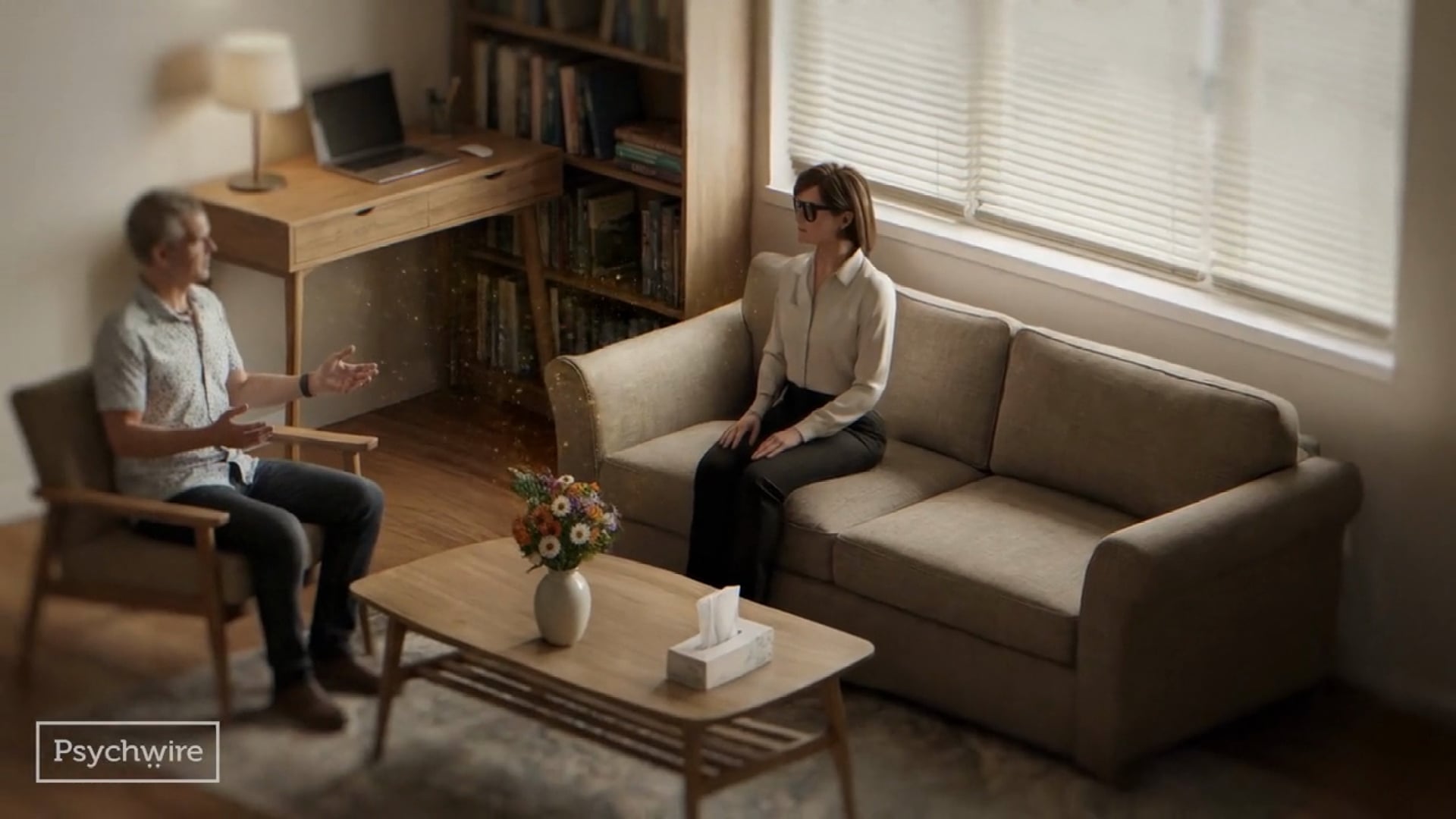

A very important part of working from a neuro affirming perspective is to spend time on setting up your room so that it suits the unique needs and preferences of your autistic clients. For example, many autistic clients are struggling with sensory overload of one form or another and are you willing to adjust the environment so that it better suits your client? Your client's overstimulated by light. Is it possible to lower the lighting or lower a shade or invite them to wear sunglasses? Some clients may love the smell of flowers on that vase on your desk but others may be absolutely repelled by it.
Are you willing to move the flowers out of the room if a client is struggling with them? Basically, your client's finding it hard to focus or engage in the session because they're overwhelmed by stimuli they find unpleasant or perhaps distracting or maybe they're actually trying to distract themselves from those stimuli it's going to make therapy sessions ineffective. Let the client know that okay for them to do in your sessions whatever it is that helps them to focus and engage. If they don't want to make eye contact with you while talking, they prefer to look at the floor or look out of the window, that's okay.
They want to play with a fidget toy or some clients may prefer to kind of doodle on a pad that's okay. If a client wants to wear a pair of sunglasses that's okay. Basically then this is a good example of practicing what we preach. Let's make the therapy room a safe place where the client can take off the mask if they want to and be their authentic self.